

 One app for all your study abroad needs











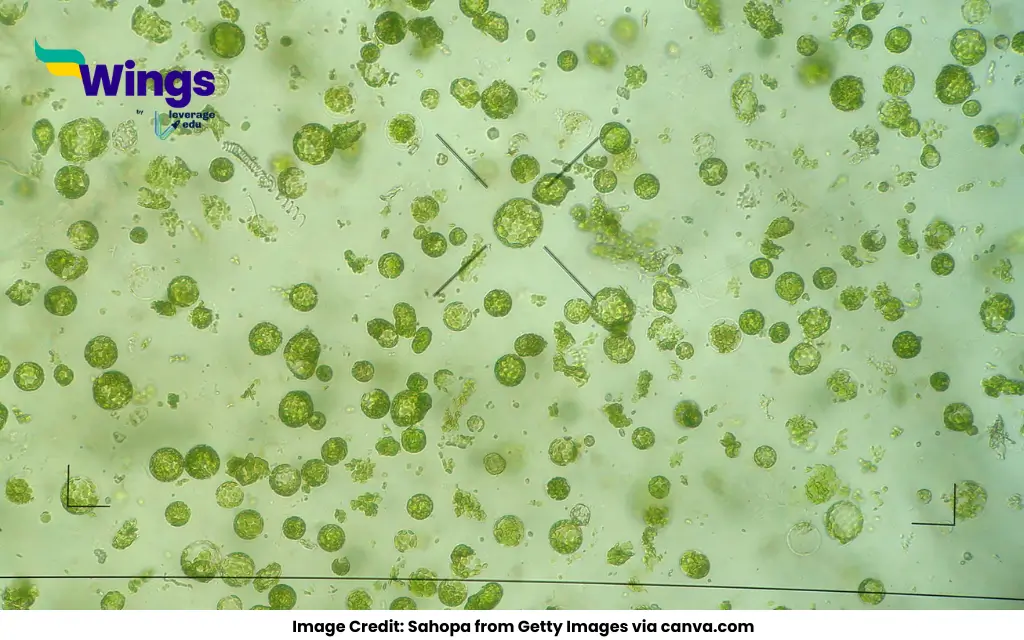
Answer: Protoplasm is often called the “living substance of the cell.” It is the jelly-like material inside a cell where all the life processes happen. Understanding who discovered protoplasm is important in the history of biology because it helped scientists realise that life exists at the cellular level. Let’s break down and analyse each option to understand the correct answer.
Option A: Dujardin
Felix Dujardin was a French biologist. In 1835, he studied unicellular organisms and noticed that they had a jelly-like substance. He called it “sarcode”, especially in protozoa like amoeba. Although this was an early description, he did not use the term protoplasm, so he is not credited with its first observation.
Option B: Purkinje
Johannes Purkinje, a Czech physiologist, was the first person to use the term “protoplasm” in 1839. He observed this jelly-like substance inside the cells of an animal embryo and gave it the name protoplasm. Although he did not fully understand its structure or function, he was the one who introduced the term to biology.
Option C: Von Mohl
Hugo von Mohl was a German botanist who made important contributions to our understanding of plant cells. In 1846, he described protoplasm in plant cells and explained that it is responsible for the movement of materials inside the cell. Although he gave better descriptions, he came after Purkinje and did not first observe it.
Option D: Corti
Marco Aurelio Severino Corti, an Italian anatomist, made significant contributions to the study of the inner ear (remember Organ of Corti?), but he had no direct role in discovering or naming protoplasm. So, this option is unrelated to the discovery.
Correct Option: B) Purkinje
The term “protoplasm” was first used by Johannes Purkinje in 1839 to describe the living substance within cells. While others like Dujardin and Von Mohl studied similar substances, Purkinje is the correct answer because he was the first to name and describe it as protoplasm.
Common Doubts on Biology:


 60,000+ students trusted us with their dreams. Take the first step today!