

 One app for all your study abroad needs











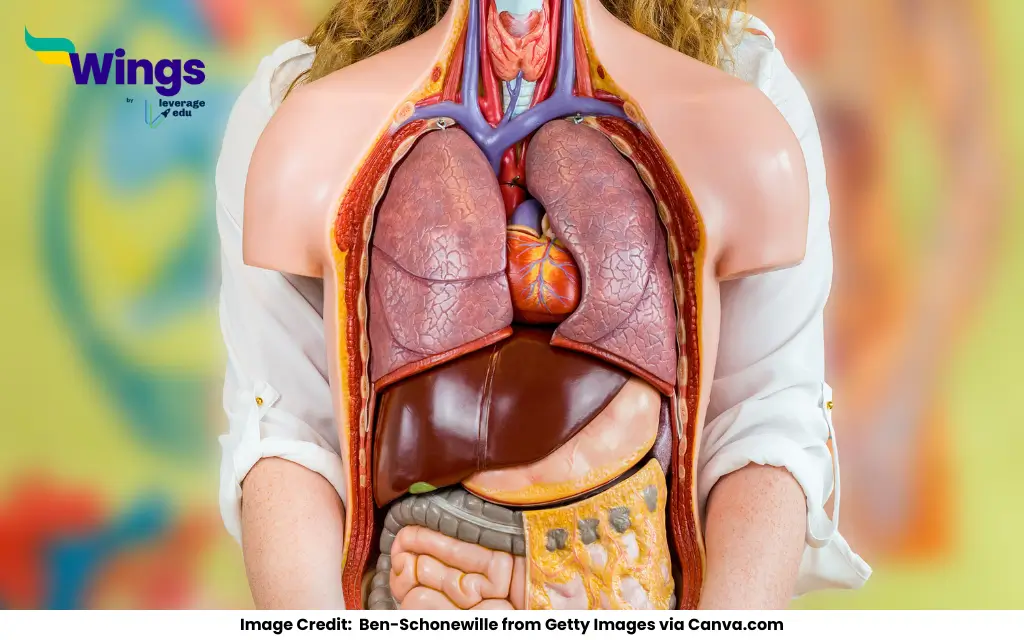
The human body is a remarkable and complex system made up of numerous organs, each performing specific and vital functions that keep us alive and healthy. From the brain that controls our thoughts and actions to the heart that pumps blood throughout the body, these organs work together in harmony to maintain balance and support life.
Understanding the organs of the human body not only deepens our knowledge of how we function but also highlights the incredible design and coordination within our anatomy. Let’s have a look at the internal and external organs of the human body.
Internal Organs of the Human Body
Internal organs are the vital structures located inside the human body that perform essential functions necessary for survival and health. These include organs like the heart, lungs, brain, liver, and kidneys, which work together to support systems such as circulation, digestion, respiration, and more. Here’s a list of 10 important internal organs of the human body:
- Brain – Controls body functions and processes information.
- Heart – Pumps blood throughout the body.
- Lungs – Enable breathing and gas exchange (oxygen and carbon dioxide).
- Liver – Filters toxins and produces bile for digestion.
- Stomach – Breaks down food for digestion.
- Kidneys – Filter waste from the blood and produce urine.
- Intestines (Small and Large) – Absorb nutrients and remove waste.
- Pancreas – Regulates blood sugar and aids in digestion.
- Bladder – Stores urine until it is excreted.
- Spleen – Helps filter blood and supports the immune system.
External Organs of the Human Body
External organs are the visible parts of the human body that interact directly with the environment and play key roles in sensory perception, movement, and protection. These include the skin, eyes, ears, nose, mouth, hands, and feet, each serving specific functions like touch, sight, hearing, and mobility. Here’s a list of 10 external organs (or body parts) of the human body:
- Skin – The largest organ that protects the body and regulates temperature.
- Eyes – Enable vision and light detection.
- Ears – Responsible for hearing and balance.
- Nose – Used for breathing and smelling.
- Mouth – Used for eating, speaking, and breathing.
- Lips – Help with speech, eating, and sensory perception.
- Hands – Enable grasping, touching, and manipulating objects.
- Feet – Support body weight and aid in movement.
- Fingers – Allow for precise movements and a sense of touch.
- Toes – Help with balance and walking.
The organs of the human body work together in harmony to maintain life and support overall health. Understanding their roles helps us appreciate the complexity and efficiency of the human body.
Related Reads:


 60,000+ students trusted us with their dreams. Take the first step today!