

 One app for all your study abroad needs











Answer
Verified
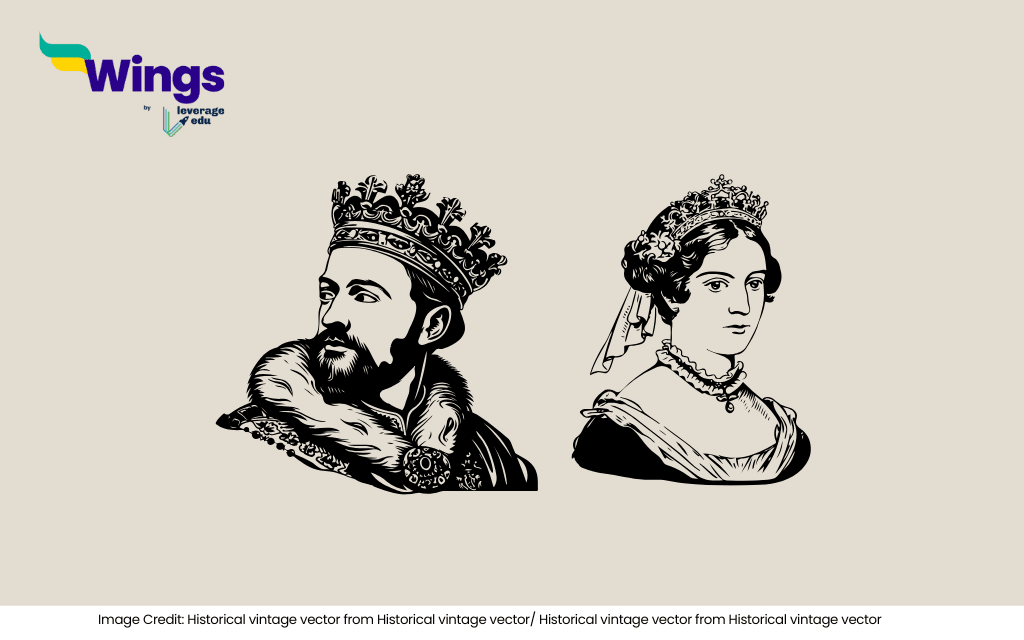
Answer: The feminine noun for “duke” is “duchess.” Hence, the sentence becomes: “The Duchess of Wales inaugurated the function.”
Why “Duchess” Is the Correct Feminine Form?
The feminine noun for duke is duchess. There are many reasons for this. Some of the reasons are provided below:
- Rule (Suffix -ess): In the English language, several masculine titles add the suffix -ess to form the feminine version. For example, the feminine noun for actor is actress. Similarly, the noun “prince” becomes “princess,” and a waiter becomes a “waitress.”
- Historical Usage: Duke is the highest rank below the monarch. Historically, when a woman holds the same status she is called a Duchess.
- Borrowed from French, English has borrowed words from the Old French (duc-duchesse). This makes the word a Duchess in the standard form.
More About Feminine Nouns for Titles
The feminine noun for duke is duchess. These are some additional information about feminine nouns for titles that you must keep in mind.
- -ess Is Not Always Added- Certain words have irregular feminine forms (e.g., King word becomes Queen, and not Kingness). There are words with exceptions: a feminine noun for lord is lady, and the feminine noun for emperor is empress.
- When to Use “Duchess”- You can use the word Duchess when you refer to a woman who is married to a Duke, or a woman who holds the same social status as a Duke. For example, in “The Duchess of Cornwall”. or “In the story, the Duchess pronounces the verdict.”
Common Mistakes When Forming Feminine Nouns
The following are the common mistakes people make when forming feminine nouns.
- Overusing “-ess”– Every masculine title does not have to be added with “-ess.”. For example, King word becomes Queen.
- Forgetting Irregular Forms: Terms like “father” and “mother” aren’t gendered by adding “-ess,”. Hence, never use the word “fatheress”.
- Incorrect Spelling Changes: While adding “-ess,” at times, a consonant is doubled. For example, “baron” – “baroness”. Therefore, always use a dictionary to verify.
The feminine noun for duke is duchess. You can learn many English titles like this by taking -ess to become feminine.
Common Reads:


 60,000+ students trusted us with their dreams. Take the first step today!