

 One app for all your study abroad needs
















Answer: Phyllotaxy is the way leaves are arranged on a plant stem to capture the most sunlight for photosynthesis
Phyllotaxy refers to how leaves are arranged on a plant stem. This arrangement ensures that the plant is able to capture maximum sunlight for photosynthesis. For example, in roses and sunflowers, leaves appear alternately. On the other hand, in plants like guava and Calotropis, pairs of leaves grow opposite each other. Conversely, oleander and tulsi showcase multiple leaves in a spiral whorl. The patterns in these plants allow them to make effective use of sunlight, reduce shading of lower leaves, and promote proper growth. In this article, we will explain with the suitable examples the different types of phyllotaxy.
What are the Different Types of Phyllotaxy?
Are you looking for the answer to the question: Explain with Suitable Examples the Different Types of Phyllotaxy? Then, the first thing you need to understand is the different types of phyllotaxis. There are 3 different types of phyllotaxis. They are as follows:
Alternate Phyllotaxy

This means there will be one left per node. These leaves will be arranged alternately on the stem sides. For example, the rose and sunflower leaf arrangement.
Opposite Phyllotaxy:
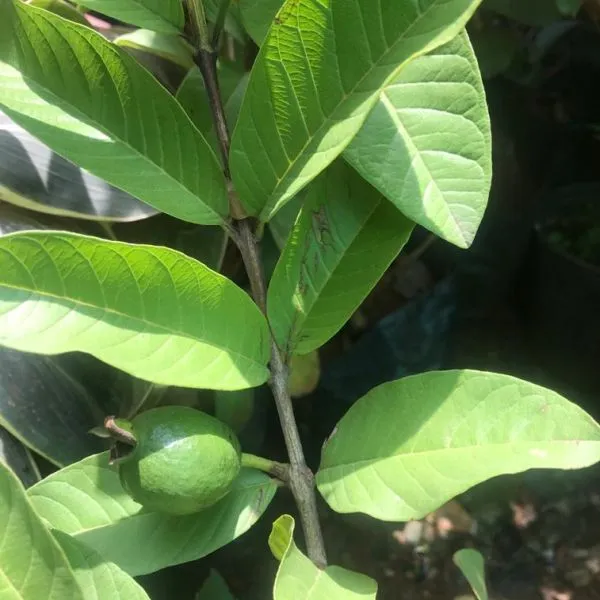
An Opposite phyllotaxy means two leaves will grow at the same node opposite each other. For example, in the case of Guava and Calotropis plants.
Whorled (spiral) Phyllotaxy:
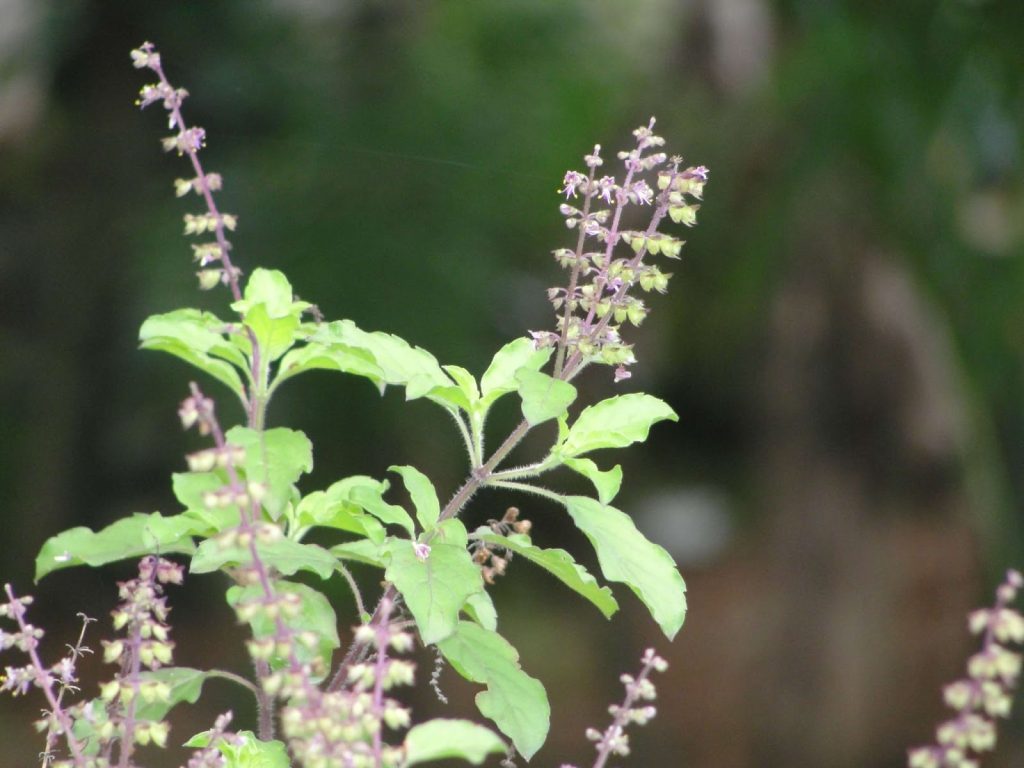
Three or more leaves emerge from the same node. This creates a circle or a spiral. For example, tulsi leaves.
Why Do Plants Have Different Phyllotaxy Types?
Plants arrange their leaves in different ways. This is done to
- Maximise the use of sunlight.
- Reduce shading of lower leaves
- Spirals often follow the “golden angle,” leading to beautiful patterns
Can Phyllotaxy Vary Within a Plant Family?
Yes. Phyllotaxy can vary within a plant family. For example, some members of the mint family (Lamiaceae) show decussate opposite phyllotaxy. On the other hand, successive leaf pairs are at right angles to each other.
We hope you have understood the answer to your question- Explain with the Suitable Examples the Different Types of Phyllotaxy. The diverse arrangements from simple alternate patterns in sunflowers to spiral whorls in oleander showcase the elegant geometric designs of nature.
Common Doubts


 60,000+ students trusted us with their dreams. Take the first step today!