

 One app for all your study abroad needs











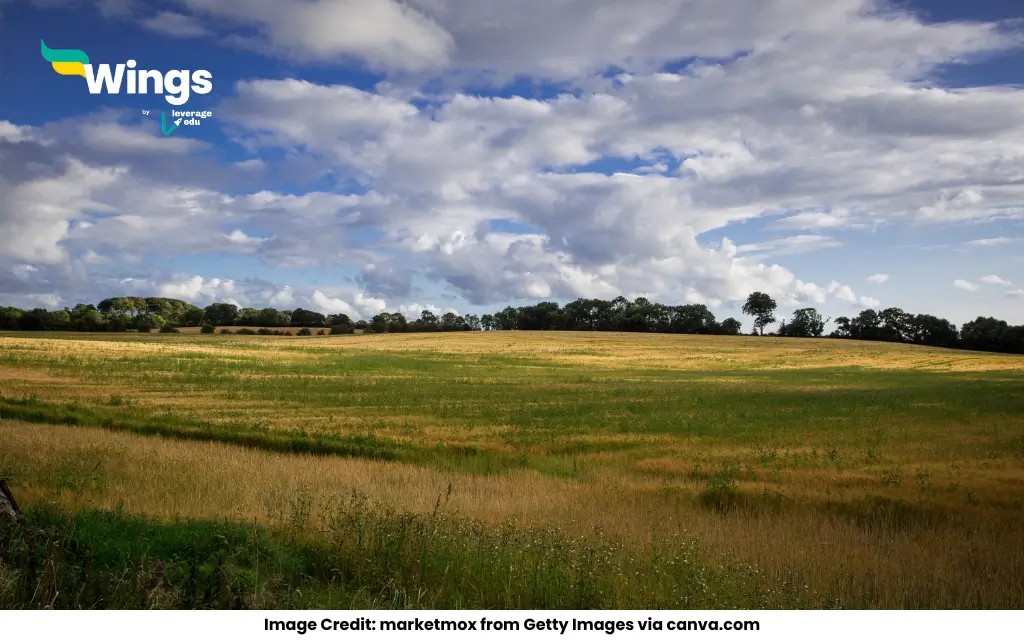
The Northern Plain of India is a flat and fertile land formed by the deposits of rivers like the Ganga, the Indus, and the Brahmaputra. It is one of the most important physical features of India and supports a large population due to its rich soil and easy availability of water. This vast plain is not the same throughout. It is divided into three main regions based on variations in relief (height and shape of land).
1. The Bhabar
The Bhabar is the narrow belt of land found along the foothills of the Himalayas. It is about 8 to 16 km wide. In this region, the rivers coming from the mountains bring along a lot of pebbles and stones. These rivers disappear underground in the Bhabar zone because the land is full of large rocks and gravel. This area is not very suitable for farming due to the rocky soil and lack of surface water.
2. The Terai
Just south of the Bhabar lies the Terai region. Here, the rivers that disappeared in the Bhabar reappear on the surface. As a result, the land is marshy and full of swamps. The Terai is a wet and fertile area, and dense forests grow here. It is very good for farming, especially for crops like sugarcane, rice, and wheat.
3. The Bhangar and Khadar
These are the two main parts of the Northern Plain formed by river deposits.
Bhangar: This is the older part of the plain. It is made up of older alluvial soil and lies slightly above the level of the river. The soil here is less fertile compared to Khadar.
Khadar: This is the newer and younger part of the plain. It is formed by the fresh deposits of silt by rivers during floods. The soil is very fertile, making it ideal for agriculture.
These divisions of the Northern Plain show how even flat lands can have different types of regions. Each part has its own features and importance, especially for agriculture and human settlement.
Common Doubts of Social Science


 60,000+ students trusted us with their dreams. Take the first step today!