

 One app for all your study abroad needs











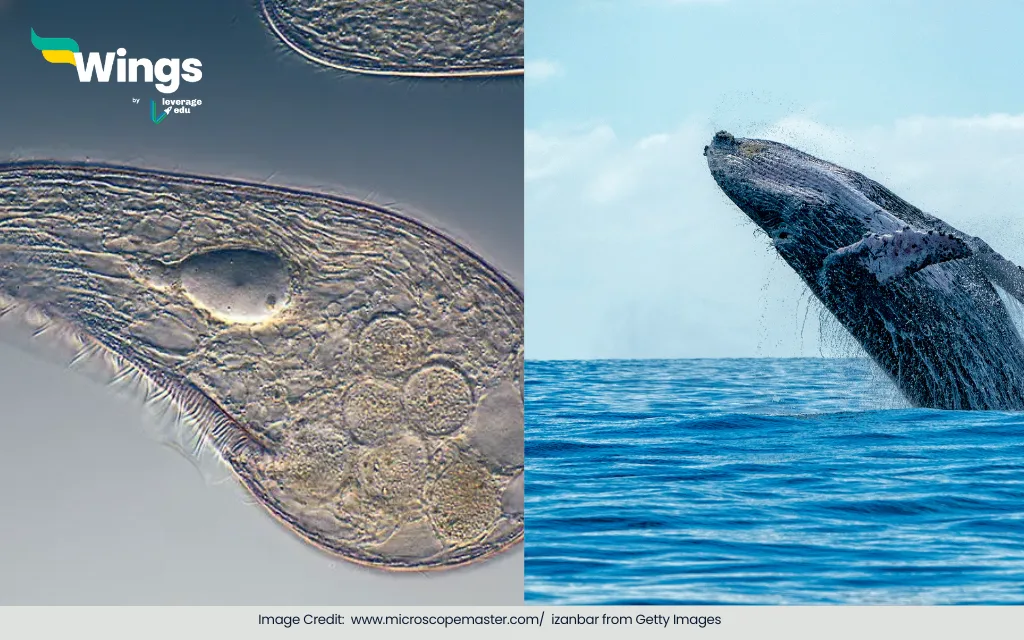
Unicellular organisms are those that are composed of a single cell and carry out every life process, including respiration, nutrition, reproduction, and movement on their own. eg, the pond-dwelling Paramecium. On the other hand, multicellular organisms are made up of several specialize cells that are working together to build complex bodies. For example, in humans, muscles, nerves, and skin have their roles to perform. This distinction affects how this organism can grow, adapt and engage with its environment. This article will help you to define Unicellular and Multicellular Organisms properly and learn why these organisms matter. You will also get to read fun facts about them.
Unicellular Meaning
Unicellular means an organism that is made up of a single cell and can carry out important functions. For example, Paramecium lives in pond water and can make use of the food vacuoles to digest bacteria and algae. Although such organisms are composed of one cell, they consist of organelles (like mitochondria and vacuoles) to manage nutrition, energy production and waste removal.
Multicellular Meaning
Since the question is -Define Unicellular and Multicellular Organisms, let’s understand multicellular organisms as well. The multicellular organisms are organisms that are made up of many cells. These cells can specialize in different functions. For example, Human beings have more than 200 types of cells. For example, muscle cells contract, nerve cells send messages, and skin cells protect us. These specializations allow multicelled life to grow larger and more complex. Thus, they have tissues, organs and systems.
Why Does It Matter?
It is important to define unicellular and multicellular organisms properly. The distinction between these organisms is significant due to many reasons:
- Unicellular life can reproduce quickly (often asexually) and thrive in extreme environments. On the contrary, Multicellular life can develop complex bodies. For example, animals can move, plants photosynthesise efficiently and fungi form vast networks.
- Unicellular microbes cycle nutrients (e.g., bacteria in soil fix nitrogen). On the other hand, multicellular organisms shape ecosystems. For example, animals are involved in the distribution of seeds.
- The studies of unicellular organisms, like bacterial infections, help us to develop antibiotics.
- Understanding multicellular cell division and regulation helps us to understand diseases like cancer.
Fun Facts:
Now that you can clearly define unicellular and multicellular organisms, let’s understand a few fun facts about them.
- Unicellular organisms like Pneumococcus radiosondes are able to survive extreme cold, heat, and even radiation.
- The blue whale is the largest known multicelled animal. It reaches about 30 meters in length.
- Paramecium can divide and create two new cells in just a few hours. On the other hand, humans take 15 years to reach adulthood.
- A full-grown human body consists of 37 trillion cells that are working together every second.
Common Reads:


 60,000+ students trusted us with their dreams. Take the first step today!