Read More SScienceWhat Can Upset the Balance of an Ecosystem? Ankita Mishra24/03/2025 The balance of an ecosystem can be upset by natural disasters, human activities, invasive species, pollution, and climate… Read More
Read More SScienceWhat are animal hormones? List four characteristics of hormones. Ankita Mishra21/03/2025 Animal hormones are chemical messengers secreted by endocrine glands that regulate various physiological processes and maintain homeostasis in… Read More
Read More SScienceWhat is the Main Function of Capillaries? Ankita Mishra20/03/2025 The main function of capillaries is to facilitate the exchange of oxygen, nutrients, and waste products between blood… Read More
Read More SScienceHow does binary fission differ from multiple fission? Ankita Singh11/02/2025 Binary fission differ from multiple fission in the number of daughter cells produced and the conditions required. Binary… Read More
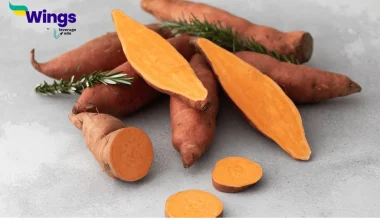
Read More SScience“Potato is a stem and sweet potato is a root”. Justify the statement on the basis of external features. Ankita Mishra10/02/2025 Potato is a stem and sweet potato is a root because of their external structural features that differentiate… Read More
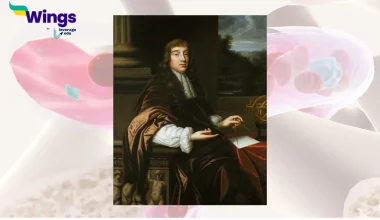
Read More SScienceWho Discovered the Cell and How? Ankita Singh10/02/2025 The cell was discovered by Robert Hooke in 1665 when he observed thin slices of cork under a… Read More
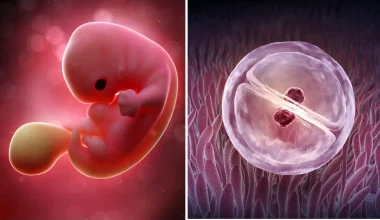
Read More SScienceDifferentiate between Foetus and Zygote Ankita Singh10/02/2025 A zygote is a single-celled structure formed when a sperm fertilises an egg. It marks the beginning of… Read More
Read More SScienceWhat is Roughage? Give two Examples Ankita Singh10/02/2025 Roughage is described as the dietary fibre present in food that is essential for proper digestion. It is… Read More
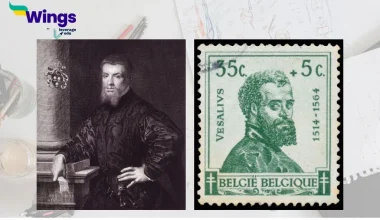
Read More SScienceWho is known as the Father of Anatomy? Ankita Singh08/02/2025 Answer: The correct answer to ‘Who is known as the father of Anatomy’ is Option A. Andreas Vesalius.… Read More
Read More SScienceName the Largest and the Smallest Cell in the Human Body Ankita Mishra07/02/2025 Answer: The largest cell in the human body is the female egg cell (ovum), and the smallest cell… Read More












 60,000+ students trusted us with their dreams. Take the first step today!