

 One app for all your study abroad needs











1. Hand made paper
2. Jute patti
3. Mud toys
4. Thick cotton shawl
Correct Answer: 3. Mud Toys
What Art Is Boo Village Famous For?
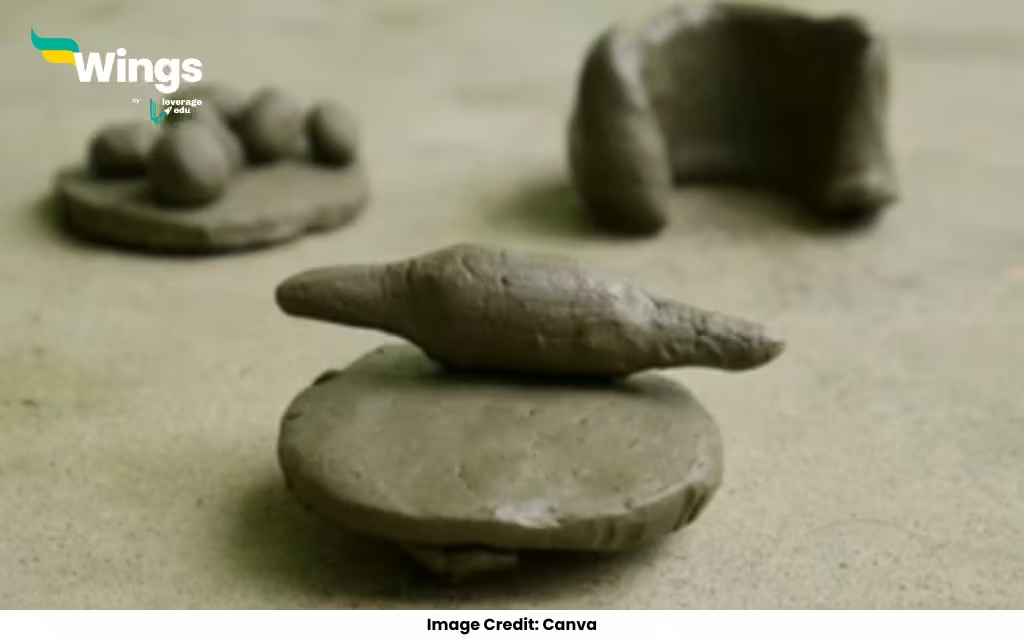
Boo village in Rajasthan’s Nagaur district is famous for its mud toys, a traditional craft that’s both charming and unique. These handmade clay figures—think animals, deities, or village scenes—are crafted with skill passed down through generations. Unlike handmade paper, jute patti, or thick cotton shawls, mud toys are Boo’s signature, reflecting Rajasthan’s vibrant folk art.
For students, knowing Boo’s mud toys is a great fact for art or cultural studies. It’s not just about the craft—it’s about understanding Rajasthan’s rich heritage and how small villages keep traditions alive.
Why Mud Toys in Boo Village?
Mud toys are the correct answer because Boo village has a long-standing tradition of crafting these clay figures, often sold at local fairs. Handmade paper, jute patti, and cotton shawls are crafts from other parts of Rajasthan or India, but not Boo’s specialty. The village’s artisans shape wet clay into toys, bake them, and paint them with bright colors, making them a hit with tourists and collectors.
For students, this specificity is key for cultural or geography exams. Knowing Boo’s mud toys helps you avoid mixing up regional crafts and shows you understand Rajasthan’s diverse art forms. It’s a fun fact to toss into essays or quizzes.
Quick Facts
- Village: Boo, Nagaur district, Rajasthan
- Art Form: Mud toys (clay figures)
- Materials: Clay, natural paints
- Significance: Traditional Rajasthani folk art
- Usage: Sold at fairs, used in festivals
How Are Mud Toys Made?
Creating mud toys in Boo is a hands-on process. Artisans mix local clay with water, shape it into figures like elephants or gods, and bake them in kilns to harden. Then, they paint them with natural colors, often in bright reds, blues, and yellows. These toys aren’t just decorative—they’re used in festivals or as kids’ playthings, carrying cultural stories.
For students, this process is a great topic for art or social studies. It shows how traditional crafts work and connect to Rajasthan’s culture. Describing the making of mud toys in projects can make your work stand out with vivid details.
Why Are Mud Toys Culturally Important?
Mud toys in Boo aren’t just cute—they’re a piece of Rajasthan’s soul. They often depict local myths, like Krishna or village life, keeping stories alive. They’re also a source of pride for Boo’s artisans, who showcase them at fairs like Pushkar. This craft supports the village’s economy and preserves a tradition in a world of mass-produced goods.
For students, this cultural role is perfect for essays or cultural studies. Mud toys show how art reflects identity, making them a strong example for discussing Rajasthan’s heritage or the importance of folk crafts in India.
How Do Mud Toys Compare to Other Crafts?
Unlike handmade paper (common in Jaipur) or thick cotton shawls (from places like Barmer), Boo’s mud toys are hyper-local and tied to Nagaur’s clay-rich soil. Jute patti, used for mats or bags, is more common in eastern India. Mud toys stand out for their simplicity and storytelling, making them a unique part of Rajasthan’s craft scene.
For students, comparing these crafts helps clarify regional differences. Knowing Boo’s specialty is mud toys gives you an edge in geography or art exams, showing you can pinpoint specific cultural practices in India.
Why Should Students Care About Boo’s Art?
Learning about Boo’s mud toys is a window into Rajasthan’s folk culture, perfect for art, history, or geography classes. It’s a testable fact that also connects to bigger themes like preserving traditions or supporting local economies. Plus, it’s a cool way to appreciate how a small village keeps its art alive.
For students, this knowledge adds flair to your work. Whether you’re writing an essay or prepping for a quiz, mentioning Boo’s mud toys shows you’ve got a handle on India’s diverse cultural landscape and can bring unique examples to the table.
Summary
Question: ‘Boo’ village of Nagaur was famous for which of the Art Work?
Answer: Boo village in Nagaur, Rajasthan, is famous for its mud toys, a traditional clay craft distinct from handmade paper, jute patti, or cotton shawls. These colorful figures reflect local culture and are a key part of Rajasthan’s folk art heritage.
Boo’s mud toys are a must-know for students studying Indian art or culture. Their unique craft and cultural significance offer rich material for exams and projects, showcasing the vibrancy of Rajasthan’s small villages and their traditions.
Also Read:
Ajanta and Ellora Caves are located in Which State of India?
Where is the Headquarters of BIMSTEC situated?
Pongal is a Harvest Festival of which State of India?
The Longest River in India is
Panchavti, a Key Part of the Valmiki Ramayana is located in which State of
India?


 60,000+ students trusted us with their dreams. Take the first step today!