

 One app for all your study abroad needs











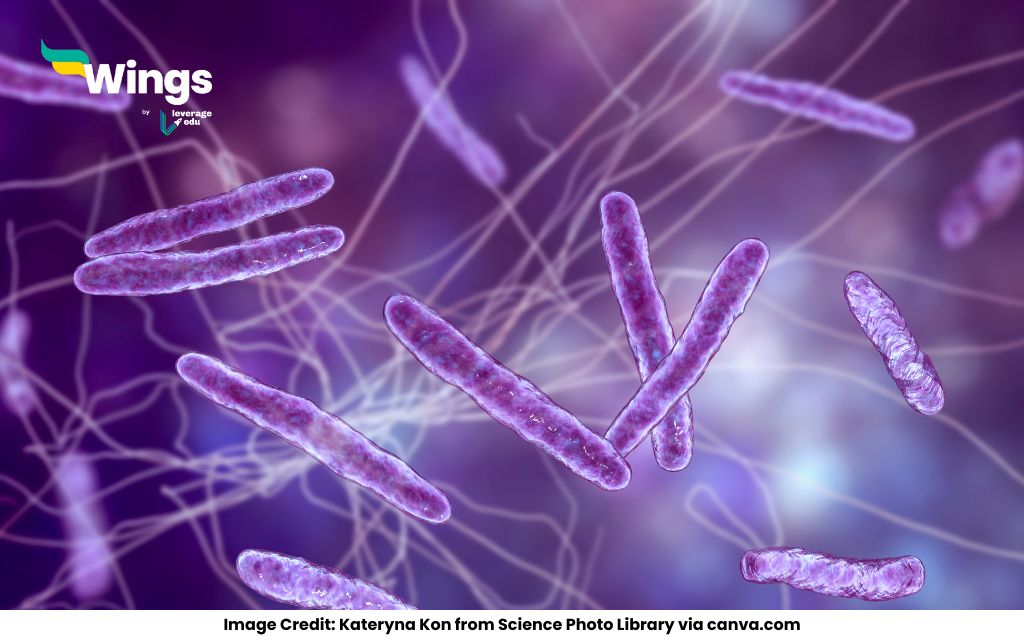
Correct Answer: Yes, viruses are classified as microbes (microorganisms) due to their microscopic size, but they’re unlike any other microbe.
While bacteria, fungi, and algae are living organisms, viruses exist in a gray zone; they can’t eat, grow, or reproduce on their own. Instead, they hijack living cells to survive, making them biology’s ultimate paradox.
What Makes a Microbe?
Microbes are tiny life forms visible only under a microscope. They include:
- Bacteria: Single-celled organisms like Lactobacillus (used in curd).
- Fungi: Molds, yeasts, and mushrooms.
- Protozoa: Tiny animals like Paramecium.
- Algae: Plant-like organisms such as diatoms.
- Viruses: The smallest and most mysterious of all!
Viruses are grouped with microbes because of their size—some are 100x smaller than bacteria. However, they lack the defining traits of life, such as cells or metabolism.
The virus is a Microbe that is not Fully Alive
Imagine a robot that can’t function without a remote control. Viruses work similarly! Here’s why they’re unique:
- Structure: A virus has just two parts: a protein coat (capsid) and genetic material (DNA or RNA). Some, like the flu virus, have a fatty envelope.
- Survival: Outside a host (human, animal, plant, or even bacteria), viruses are inert. They don’t eat, breathe, or grow.
- Reproduction: To multiply, viruses invade a host cell, take over its machinery, and force it to make thousands of virus copies.
This dependency on hosts is why scientists debate whether viruses are truly “alive.”
Viruses vs. Bacteria – Key Differences
While both are microbes, viruses and bacteria are worlds apart:
- Bacteria are living, single-celled organisms with cell walls. They can reproduce independently and even help humans (e.g., gut bacteria).
- Viruses are non-living particles. They cause diseases like colds, COVID-19, or rabies by destroying host cells during replication.
Think of bacteria as self-sufficient farmers and viruses as pirates raiding ships (cells) for resources!
Are All Viruses Harmful?
Most viruses are infamous for causing illnesses, but they’re not all bad:
- Ecosystem Balance: Some viruses infect and control bacteria populations in oceans, preventing algal blooms.
- Medical Help: Scientists use harmless viruses in vaccines (e.g., the polio vaccine) and gene therapy to fix faulty DNA in patients.
Even the viruses in your body’s mucus might be defending you against harmful bacteria!
Fun Fact: Giant Viruses!
| In 2003, scientists discovered Mimivirus, a virus so large it’s visible under a regular microscope! It’s bigger than some bacteria and even has genes for repairing DNA, a trait once thought unique to living organisms. |
Viruses are microbes, but they’re nature’s ultimate rebels, blurring the line between living and non-living. While they can cause diseases, they also play vital roles in ecosystems and medical science. Next time you wash your hands to avoid germs, remember: even the tiniest microbes have a big story to tell!
Common Doubts in Biology


 60,000+ students trusted us with their dreams. Take the first step today!