

 One app for all your study abroad needs











Correct Answer: c. Maharashtra
The Ajanta and Ellora Caves are one of India’s most fascinating historical and architectural treasures. Located in the state of Maharashtra, these caves attract scholars, tourists, and students from across the globe. Known for their intricate carvings, beautiful paintings, and religious significance, they reflect the glorious past of India’s art and spirituality.
Where Are Ajanta And Ellora Caves Located?
Ajanta and Ellora Caves are situated in the Aurangabad district of Maharashtra. Ajanta is located around 100 kilometers northeast of Ellora. Both sites are maintained by the Archaeological Survey of India and are protected as UNESCO World Heritage Sites. Nestled in the rocky hills, these caves are surrounded by natural beauty that complements their ancient charm.
They have become popular destinations for educational tours and are considered essential sites for anyone interested in Indian history or art. Maharashtra proudly hosts these wonders, drawing attention from people around the globe.
Historical Background Of Ajanta And Ellora Caves
The Ajanta Caves were constructed between the 2nd century BCE and the 6th century CE. These caves were built during various periods under the rule of dynasties such as the Satavahanas and Vakatakas. They mainly served as retreats for Buddhist monks and were used for meditation, study, and religious gatherings. The Ellora Caves, on the other hand, were built between the 6th and 10th centuries CE under the patronage of the Rashtrakutas and others.
Both cave complexes show how religion, royalty, and artistic expression blended during ancient times. They give us a deep insight into the kind of craftsmanship and devotion that existed in Indian history.
Art And Paintings In The Ajanta Caves
Ajanta is known worldwide for its detailed murals and Buddhist paintings. These artworks are not just decorative pieces but visual stories depicting scenes from the life of Gautama Buddha and tales from the Jataka stories. Artists used natural pigments and painted on dry plaster, allowing many of these pieces to survive for over 2,000 years.
The paintings are so detailed that even facial expressions, clothing, and natural scenery are clearly depicted. This shows the advanced techniques and storytelling abilities of the artists of that time. It’s a rare example of ancient Indian painting preserved in such good condition.
Religious Significance Of Ellora Caves
Ellora is unique because it showcases the coexistence of three major religions in India: Buddhism, Hinduism, and Jainism. Among the 34 caves at Ellora, 12 are Buddhist, 17 are Hindu, and 5 are Jain. This blend of faiths in a single location demonstrates the cultural and religious tolerance that existed during those centuries.
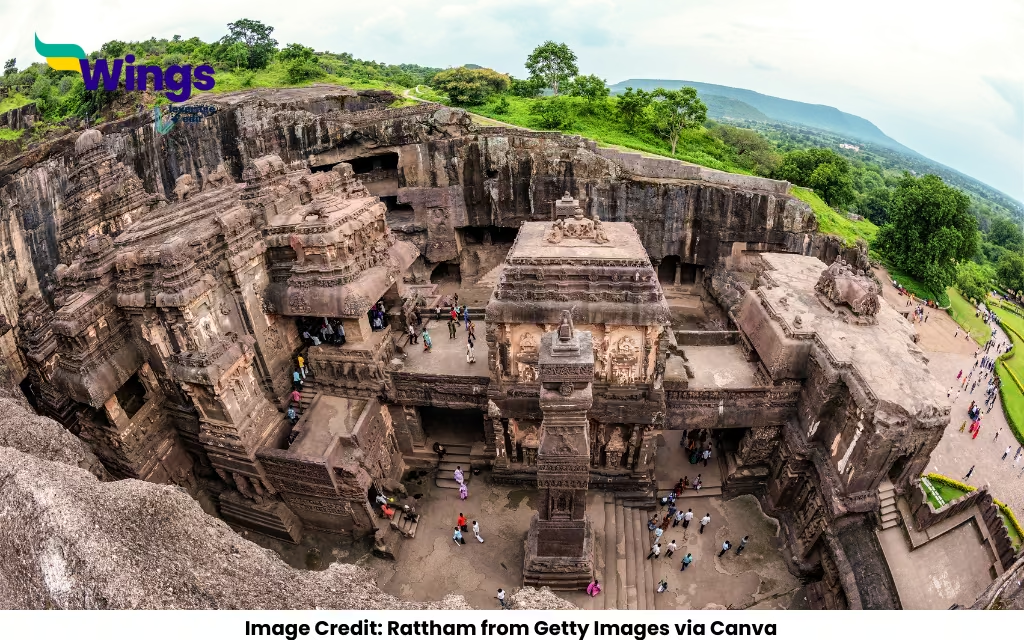
One of the most iconic structures here is the Kailasa Temple, carved entirely out of a single rock and dedicated to Lord Shiva. It is considered one of the greatest achievements in Indian rock-cut architecture and attracts thousands of visitors each year.
Differences Between Ajanta And Ellora
While both are cave complexes, Ajanta and Ellora differ in their purpose and religious focus. Ajanta is exclusively Buddhist and was primarily used for meditation and religious teachings. Ellora, on the other hand, is a blend of Buddhist, Hindu, and Jain influences, reflecting a more diverse spiritual landscape.
Ajanta is known for its painting and calm atmosphere, ideal for reflection and learning. Ellora has more elaborate temple architecture and is visually more grand in scale. These differences make visiting both sites a complete experience in understanding ancient India.
Why Students Should Learn About Ajanta And Ellora?
Understanding Ajanta and Ellora helps students connect with India’s rich heritage. These caves show the level of skill and thought that went into religious art and architecture centuries ago. They’re not just about stone and paint but about storytelling, philosophy, and devotion.
Knowing about these caves is helpful for general knowledge exams, history lessons, and competitive exams. Even beyond exams, it builds appreciation for cultural history and encourages young learners to explore more about India’s ancient civilizations.
Quick Facts About Ajanta And Ellora Caves
- Located in Aurangabad district, Maharashtra
- Ajanta is older, dating back to the 2nd century BCE
- Ellora has a mix of Buddhist, Hindu, and Jain caves
- Ajanta is famous for its paintings; Ellora for rock-cut temples
- Kailasa Temple at Ellora is carved from a single rock
- Both are UNESCO World Heritage Sites
Summary
Question: Ajanta and Ellora Caves are located in Which State of India?
Answer: Ajanta and Ellora Caves are located in Maharashtra. Ajanta and Ellora Caves are not just monuments but a window into India’s past. Located in Maharashtra, they represent centuries of religious thought, artistic brilliance, and cultural diversity. Whether it’s the detailed murals of Ajanta or the architectural marvels of Ellora, these caves are treasures every student should know about.
Also Read:
Warli Painting is the Folk Painting of __ State of India
1 Byte is Equal to in Bits
Which is the Largest National Park in India?
Nathu La Pass is Situated in which State of India?
India First Participated in the Olympics in ___


 60,000+ students trusted us with their dreams. Take the first step today!