

 One app for all your study abroad needs











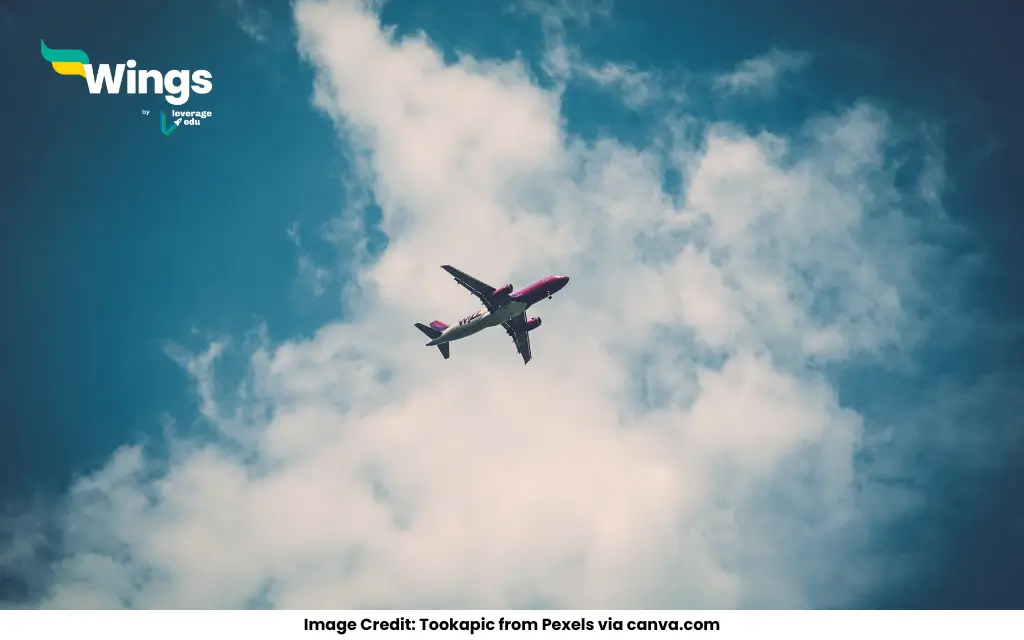
The Earth’s atmosphere is made up of different layers, each with its own features. These layers are the troposphere, stratosphere, mesosphere, thermosphere, and exosphere. Each layer has different temperatures, air pressure, and functions. But when it comes to flying aeroplanes, only one layer is just right
What is the correct answer to this question?
Option A: Mesosphere
The mesosphere is the third layer of the atmosphere, located above the stratosphere. It extends from about 50 km to 85 km above the Earth’s surface. This layer is very cold and contains very little air. It is too high for commercial aeroplanes to fly and too low for satellites to orbit. Also, it has strong winds and not enough oxygen, so it is not suitable for flying aeroplanes.
Option B: Stratosphere
Aeroplanes, especially commercial jet planes, usually fly in the lower part of the stratosphere, which is about 10 to 15 kilometers above the Earth’s surface. This layer is just above the troposphere. The stratosphere is very stable and has less turbulence (shaking of the plane), which makes it perfect for smooth flights. It also has the ozone layer, which protects us from harmful rays of the sun.
Option C: Troposphere
The troposphere is the lowest layer of the atmosphere, where we live and where weather happens (like rain and storms). While planes take off and land in the troposphere, they usually climb higher into the stratosphere to cruise during long flights. The troposphere is full of clouds and changing weather, which can make flights bumpy.
Option D: Exosphere
The exosphere is the outermost layer of the atmosphere, extending thousands of kilometers into space. It is extremely thin, and no aeroplanes can fly here. This is the region where satellites orbit the Earth, not planes.
So, the correct answer is Stratosphere. Aeroplanes fly in this layer because it offers calm and smooth air, making travel safe and fuel-efficient.
Common Doubts of Social Science


 60,000+ students trusted us with their dreams. Take the first step today!