

 One app for all your study abroad needs
















Studielink for international students is the official portal to study in the Netherlands. Missing deadlines or misunderstanding the process can delay or even ruin your application. It can feel overwhelming, but it does not have to be. Because it is designed to guide you step by step, from registration to final acceptance. If you follow it carefully, you can avoid mistakes and complete your application smoothly at a Dutch university. So mastering it becomes the first and most important step to pursuing education in the Netherlands. Let’s get started!
This Blog Includes:
- What is Studielink and Why Every International Student Needs It?
- How to Register for Your Program on Studielink?
- Studielink Lingo Decoded: Terminology and Key Abbreviations
- How to Apply to Dutch Universities via Studielink?
- Application Deadlines You Cannot Miss
- Numerus Fixus Programs: Rules, Selection, and Deadlines
- Document Requirements for Studielink
- Payment, Tuition, and Scholarships Through Studielink
- Studielink Essentials: BSN, DigiD, and Visa Are Non-Negotiable
- Common Studielink Fails and How Not to Be That Student
- Quick Hacks and Brainy Tricks to Master Studielink Without Crying
- Can You Even Apply Without Studielink? Spoiler: Nope
- FAQs
What is Studielink and Why Every International Student Needs It?
Studielink is the official online portal for applying to universities for education in Netherlands. Every step of your application runs through Studielink: registration, program selection, uploading documents, and confirming your enrollment. It also tracks deadlines and tells universities you are serious. Without it, you cannot apply, you cannot enroll, and you definitely cannot study.
Why it’s crucial for international students:
- Mandatory for almost all bachelor’s and master’s programs.
- Helps universities verify your eligibility and documents.
- Keeps you on track with all deadlines and tasks.
- Gives a clear view of your application progress so you don’t panic.
How to Register for Your Program on Studielink?
Registering on Studielink for international students is the first real step to get into a Dutch university. It may look long, but if you follow it carefully, it is simple. This is the point where mistakes can really slow you down, so pay attention.
- Create an account on the Studielink website using a valid email.
- Fill in your personal details such as your full name, date of birth, and nationality.
- Choose the program you want to apply for and the university.
- Upload the required documents, including your passport, previous education certificates, and proof of English or Dutch language proficiency.
- Confirm all the details and submit your registration.
Studielink Lingo Decoded: Terminology and Key Abbreviations
Studielink comes with its own language, full of abbreviations and terms that can make your head spin. Don’t worry. Once you know what they mean, it all makes sense. Understanding these terms helps you avoid mistakes and complete your application faster.
| Term | Meaning |
| BSN | Your citizen service number |
| DigiD | Your online ID |
| Numerus Fixus | Programs with limited seats |
| Studielink To Do List | Your checklist on Studielink |
| Enrollment Confirmation | Final step to secure your spot |
| Program Code | Unique code for each program |
How to Apply to Dutch Universities via Studielink?
Applying to Dutch universities through Studielink ensures your application is considered, your documents are verified, and you can actually secure your spot without last-minute panic. Below are the five essential steps that cover everything you need to know.
Step 1: Set Up and Verify Your Studielink Account
Create your Studielink account with a valid email. If you want to study in Netherlands, you will need a DigiD to log in safely. Fill in your personal details carefully, including your full name, date of birth, and nationality. Upload a passport or ID to verify your identity because universities will check it before moving forward. Mistakes here can delay your entire application.
Step 2: Enter Your Previous Education Details
Add your previous education credentials, including school, grades, and diploma type. Upload scanned or clear copies of all certificates. If the program has limited seats like numerus fixus, make sure your diploma meets the specific subject requirements. Accurate details here are crucial because universities use them to check your eligibility.
Step 3: Choose and Apply for Your Program
Select the university, start date, and study program you want to apply for. You can apply to multiple programs, but only a limited number of numerus fixus programs are allowed. Pay close attention to deadlines for these limited-seat programs, as missing them can automatically reject your application. Choosing carefully helps you plan your options without wasting time.
Step 4: Manage Your To-Do List and Submit Documents
After choosing programs, check your Studielink To-Do List for all required documents, including diplomas, transcripts, proof of language proficiency, and sometimes a CV or motivation letter. Some universities require you to upload certain documents to their internal system after registering on Studielink. Submit everything before deadlines to avoid rejection.
Step 5: Accept Admission and Finalize Enrollment
Once you receive an offer, especially for numerus fixus programs, check your ranking or place offered. Accept the offer through Studielink within the specified time, or it may go to another student. Finally, confirm your enrollment, pay any fees if required, and ensure your To-Do List shows everything as completed. This is the last step before you are officially a student.
Read or Regret: Study in the Netherlands Without GMAT: Complete 2026 Guide for Indians
Application Deadlines You Cannot Miss
Your application can be rejected automatically, especially for popular or numerus fixus programs. Each university and program may have slightly different deadlines, so knowing the exact dates is critical.
| Type of Program | Application Deadline (Studielink) | Notes |
| Numerus Fixus (limited-seat) Bachelor Programmes | 15 January (23:59 CET) | Confirmed for all numerus fixus programs. Offers are usually made between 15 April and 31 August. Students must accept their place within two weeks. |
| Regular Bachelor Programmes (Non-Numerus Fixus) | 1 May | Standard application deadline for international students applying to non-limited programs. Some universities may have slightly earlier or later deadlines. |
| Enrollment Confirmation | Varies by university | Final enrollment and tuition payment deadlines depend on the program and university. Usually ranges between 15 July and 1 August. Students must complete all steps to secure their spot. |
Numerus Fixus Programs: Rules, Selection, and Deadlines
Some programs in the universities in netherlandshave limited seats, and Studielink for international students handles them all strictly. These are called numerus fixus programs, and messing up even one step can cost you your spot. Here are some key steps to consider:
- Max Two Applications Rule
- You can only apply to two numerus fixus programs per academic year. Applying to more will not work in it.
- This rule forces you to choose wisely and prepare all your documents before the deadline.
- You can only apply to two numerus fixus programs per academic year. Applying to more will not work in it.
- Selection Based on Ranking Numbers and Places Offered
- After the deadline, universities assign ranking numbers to applicants based on previous grades, motivation, or a lottery.
- It shows the places offered, and you can accept or decline your offer directly through your account. Missing the acceptance deadline can automatically forfeit your seat.
- After the deadline, universities assign ranking numbers to applicants based on previous grades, motivation, or a lottery.
- Programs That Don’t Require Selection
- Not all numerus fixus programs have a competitive ranking. Some simply follow first-come, first-served rules.
- It tracks your application and ensures your documents are complete so you can be enrolled immediately once your spot is available.
- Not all numerus fixus programs have a competitive ranking. Some simply follow first-come, first-served rules.
- Deadlines You Cannot Miss
- 15 January is the universal application deadline for numerus fixus bachelor programs.
- After submitting, check your To-Do List regularly for required documents, confirmations, and updates.
- Acceptance of an offer is usually required within two weeks of receiving it.
- 15 January is the universal application deadline for numerus fixus bachelor programs.
Document Requirements for Studielink
Studielink is picky about documents. Missing, blurry, or wrong files can instantly block your application, especially for international students applying to Dutch universities. Each program may have slightly different requirements, but there are core documents you almost always need. Here is the list:
| Document | Description | Why It’s Needed |
| Passport or National ID | Scanned clear copy of your valid passport or ID | Confirms your identity to the university and immigration authorities |
| Previous Education Certificates | High school diploma, bachelor’s degree certificate, transcripts | Used to verify eligibility and academic background |
| Proof of Language Proficiency | IELTS, TOEFL, or Dutch language certificate | Shows you meet the language requirement for the program |
| Motivation Letter or Personal Statement | A short letter explaining why you want to study the program | Required by some programs to assess fit and commitment |
| Curriculum Vitae (CV) | List of relevant education, work experience, or extracurricular activities | Helps universities evaluate your overall profile |
| Program-Specific Documents | Examples: portfolio for art/design, recommendation letters | Required for special programs or numerus fixus courses |
| Passport Photo | Digital copy of a recent passport-style photo | Used for student records and official documentation |
Too Good to Skip: Numerus Fixus for Studies in the Netherlands: Courses, Universities, Selection, and Application Process
Payment, Tuition, and Scholarships Through Studielink
Studielink also handles the financial side of your Dutch university journey. Paying tuition, understanding fees, and checking scholarship eligibility are crucial. Mess up here, and even an accepted offer can get canceled. Here’s what every international student needs to know.
1. Tuition Fees
- Tuition depends on whether you are an EU/EEA student or non-EU international student.
- Non-EU students: Can range from EUR 8,000 to EUR 20,000 per year, depending on the program and university.
2. Payment via Studielink
- After enrollment, it often generates a tuition invoice.
- You can pay directly through the platform using bank transfer or online payment methods.
- Keep the payment confirmation. It’s required for final enrollment.
3. Scholarships and Financial Aid
- Some universities offer scholarships for international students, which are visible in your Studielink account or via the university portal.
- Examples include Orange Tulip Scholarship, Holland Scholarship, and university-specific awards.
- Apply early. Many scholarships require separate forms besides Studielink registration.
Studielink Essentials: BSN, DigiD, and Visa Are Non-Negotiable
If you think you can skip BSN, DigiD, or visa details on Studielink, think again. These are non-negotiable essentials for international students. Without them, your application won’t progress, your enrollment won’t complete, and you might not legally pursue education in Netherlands.
1. BSN (Citizen Service Number)
- Every student in the Netherlands needs a BSN.
- It requires your BSN to link your application to Dutch government systems.
- You get a BSN once you register at a Dutch municipality or through your university if you’re arriving from abroad.
2. DigiD (Digital Identification)
- DigiD is your official online ID for government services.
- Certain steps in Studielink, like enrollment confirmation or official document verification, require logging in via DigiD.
- If you don’t have DigiD yet, you can still start the application, but you’ll need it before finalizing your enrollment.
3. Visa or Residence Permit
- Non-EU/EEA students must apply for a student visa (MVV) or residence permit.
- It helps track this by ensuring your university knows your status and has all necessary confirmations.
- Uploading visa documents or providing proof of application is part of your Studielink To-Do List.
Common Studielink Fails and How Not to Be That Student
Studielink can wreck your entire application if you make dumb mistakes. Some students miss deadlines, upload wrong documents, or just ignore the To-Do List. Don’t be that person. Here are the top 5 fails and how to avoid them:
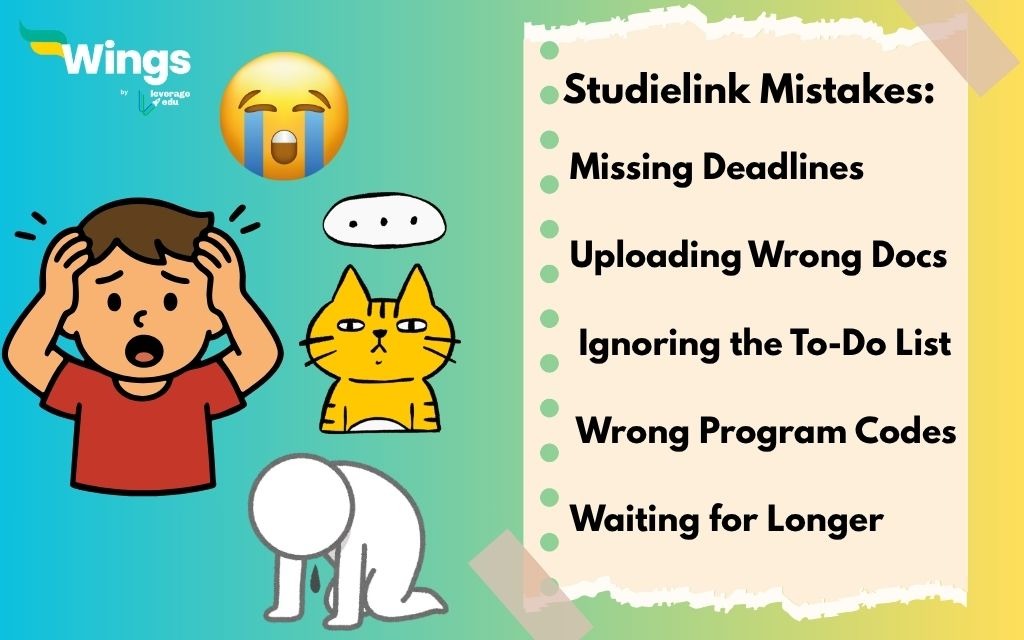
1. Missing Deadlines
- Deadlines are strict, especially for numerus fixus programs.
- Tip: Mark your personal calendar, set reminders, and submit everything early. Missing 15 January or 1 May can cost you your spot.
2. Uploading Wrong or Blurry Documents
- Passport, diplomas, transcripts, if they’re unclear or in the wrong format, it rejects them.
- Tip: Scan documents in PDF, check clarity, and name them clearly like “Passport_JohnDoe.pdf.”
3. Ignoring the To-Do List
- It constantly updates your To-Do List with missing items. Ignoring it means missing critical steps like language proof or enrollment confirmation.
- Tip: Check it daily until everything is green and completed.
4. Choosing Wrong Program Codes
- Every program has a unique code. Wrong code means your application goes nowhere.
- Tip: Copy the code exactly from the university website or official brochure.
5. Thinking DigiD, BSN, or Visa Can Wait
- Some international students delay these, thinking they can sort them later. Spoiler: you can’t. It won’t let you finalize enrollment without them.
- Tip: Start BSN registration, DigiD setup, and visa process immediately after your offer.
Quick Hacks and Brainy Tricks to Master Studielink Without Crying
Studielink to do list doesn’t have to be a nightmare. With a few smart moves, you can breeze through your application without losing sleep or your mind. Here’s how to hack it like a pro:
1. Complete Everything Early
- Don’t wait for the last minute. Upload documents, fill personal info, and check program codes weeks before deadlines.
- Early birds avoid errors, server crashes, and panic.
2. Keep Your To-Do List Obsessively Updated
- Studielink’s To-Do List is your lifeline. Check it daily.
- Missing items mean delayed or rejected applications. So keep it in check.
3. Double-Check Program Codes and Requirements
- One wrong program code can destroy your application.
- Cross-verify with the university’s official program page. It’s boring but necessary.
4. Scan Documents Like a Perfectionist
- PDFs must be clear, named correctly, and under size limits.
- Check every upload twice. It rejects blurry or misnamed files.
5. Track Deadlines Like a Detective
- Use a calendar or phone reminders for numerus fixus and regular program deadlines.
- Include enrollment confirmation, tuition payment, and scholarship deadlines.
6. Prepare BSN, DigiD, and Visa in Advance
- Don’t leave these for last. It won’t finalize your enrollment without them.
- Start BSN registration and visa process immediately after your offer.
7. Screenshots are Your Best Friend
- Save every confirmation, upload, and payment receipt.
- If Studielink glitches or updates, you’ll have proof ready for support.
Can You Even Apply Without Studielink? Spoiler: Nope
Studielink is mandatory for all Dutch university applications. Both bachelor’s and master’s programs require it to process documents, track deadlines, and confirm enrollment. Without a Studielink account, universities cannot consider your application, and your admission process cannot move forward.
Read This Before You Forget: How to Select the Best Course in the Netherlands Based on Career Goals?
FAQs
Ans: Yes, international students must use Studielink to apply to most Dutch universities. It’s the official portal for managing applications, uploading documents, and tracking your admission progress. Without it, your application usually won’t be considered.
Ans: Studielink is the official online platform for applying to higher education in the Netherlands. It handles registration, document submission, program selection, and enrollment confirmations. Essentially, it’s your one-stop gateway to Dutch universities.
Ans: In most cases, no. Studielink is mandatory for applying to officially recognized bachelor’s and master’s programs. Some special programs may allow direct applications, but skipping Studielink is rare and risky.
Ans: Studielink itself does not charge a fee, but individual universities may require an application fee when you submit your program choice. Check each university’s website to avoid surprises and ensure your payment is processed correctly.
Ans: You typically need a valid passport, previous education certificates, proof of English or Dutch proficiency, and sometimes a motivation letter or CV. Uploading the correct documents on time is crucial to avoid delays or rejection.
Relatable Reads Picked Just for You
Studielink might seem confusing at first, but it’s actually your roadmap to studying in the Netherlands. Follow the steps, complete your to-do list, meet deadlines, and upload the right documents. Once you get the hang of it, the whole process becomes stress-free. Don’t let paperwork block your dreams. For more information like this, stay tuned with our Study Abroad page on Leverage Edu and stay updated.

 60,000+ students trusted us with their dreams. Take the first step today!