

 One app for all your study abroad needs













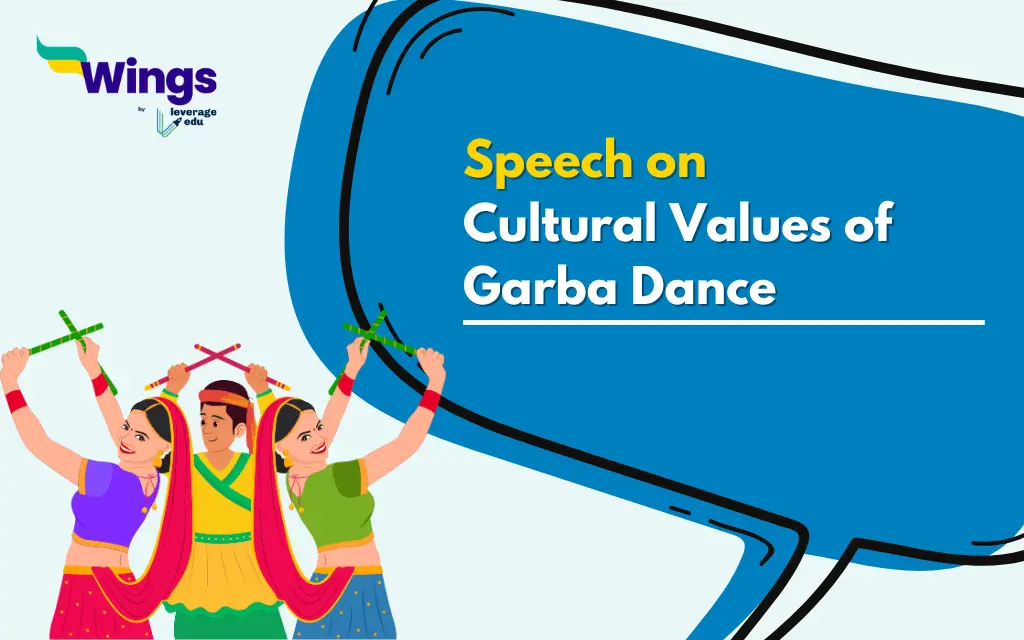
Garba is a vibrant and traditional folk dance from Gujarat, India, celebrated especially during the Navratri festival. It is not only a form of entertainment but also a reflection of the rich cultural values, traditions, and community spirit of the region. Learning about Garba helps students and young audiences understand the importance of heritage, rhythm, and social harmony. In this blog, we provide samples of both short and long speeches on the cultural values of Garba dance, highlighting important points such as its historical significance, spiritual connections, costume and music, and the role it plays in fostering unity and joy among participants.
These speeches can be used for school assemblies, competitions, cultural events, classroom presentations, or any occasion where students want to share the beauty and significance of Garba.
Short Speech on Cultural Values of Garba Dance
Good morning, respected teachers and dear friends,
Today, I am excited to talk about Garba, one of India’s most colorful and energetic folk dances. Garba comes from Gujarat, and it is mainly performed during the Navratri festival, a nine-night celebration dedicated to Goddess Durga, who represents strength, courage, and protection.
The word “Garba” comes from the Sanskrit word “Garbha,” meaning womb, which symbolizes life, creation, and energy. Traditionally, Garba is performed around a clay lamp called a “garbha deep”, representing the divine light inside every person. Dancers move in circular patterns, which symbolize the cycle of life and the universe.
Garba is performed with rhythmic clapping, graceful steps, and lively music played on instruments like dholak, tabla, manjira, and harmonium. Participants wear colorful traditional attire: women wear chaniya choli, while men wear kediyu, often decorated with mirrors and embroidery. These bright costumes make the dance visually stunning and showcase Gujarat’s rich textile heritage.
Here are a few interesting points that make Garba special:
- Garba originated over 600 years ago as a devotional dance in Gujarat.
- The circular formation represents unity, equality, and community spirit.
- Today, Garba is performed all over India and in countries like the USA, UK, Canada, and Australia.
Garba is more than a dance. It brings people together, teaches discipline, teamwork, and devotion, and helps young people connect with their culture and traditions.
In conclusion, Garba is a beautiful example of India’s cultural richness. It reminds us to celebrate life, honor our traditions, and enjoy the joy of togetherness.
Thank you.
Also Read: Navratri Essay in English for School Students
Long Speech on Cultural Values of Garba Dance
Good morning respected teachers and dear friends,
Today, I am honored to speak about Garba, a traditional folk dance from Gujarat, which reflects the vibrancy, devotion, and cultural richness of India. Garba is performed mainly during Navratri, a nine-night festival celebrating Goddess Durga, who symbolizes strength, courage, and protection. The name “Garba” comes from the Sanskrit word “Garbha,” meaning womb, representing creation, life, and energy. Traditionally, Garba is performed around a clay lamp called a “garbha deep”, which symbolizes the divine light in every individual.
Garba is performed in circular formations, symbolizing the cycle of life, equality, and unity. The dance involves clapping, rhythmic footwork, and coordinated movements, accompanied by traditional instruments like dholak, tabla, sitar, and manjira. The combination of music, rhythm, and energy creates a mesmerizing and lively atmosphere.
The traditional attire worn during Garba is equally important. Women wear chaniya choli, a skirt and blouse adorned with bright colors, embroidery, and mirrors, while men wear kediyu with dhoti, also decorated with intricate patterns. These costumes not only make the performance colorful but also reflect Gujarat’s rich textile and craft heritage.
Here are a few fascinating things you should know about Garba:
- Garba has been performed for over 600 years as a devotional dance in honor of Goddess Durga.
- The circular movements symbolize the cycle of birth, life, and death, and the continuity of the universe.
- Garba is now celebrated worldwide, including in the USA, UK, Canada, and Australia, making it a global cultural ambassador.
- Modern Garba events include competitions, live bands, and professional lighting, but the essence of unity, devotion, and tradition remains unchanged.
Garba is more than just a dance; it is a symbol of cultural pride, spiritual devotion, and community unity. People of all ages and backgrounds participate, breaking barriers and fostering harmony. Through Garba, children and youth learn discipline, coordination, teamwork, and respect for traditions.
In today’s world, Garba has also become a way to preserve and promote India’s cultural heritage globally. Despite modern adaptations, the core values of Garba—celebration of life, devotion to the divine, and joy in unity—remain the same.
In conclusion, Garba is not just a dance; it is a living tradition that connects us to our roots, spreads joy, and teaches important values. By learning and performing Garba, we honor our heritage, celebrate life, and contribute to the rich tapestry of Indian culture.
Thank you.
Also Read: Vijayadashami: The Triumph of Good Over Evil
FAQs
To write a speech on the cultural values of Garba dance, start by introducing Garba as a traditional folk dance from Gujarat performed during Navratri. Explain its cultural and spiritual significance, such as devotion to Goddess Durga, unity, and celebration of life. Mention key features like circular movements, rhythmic clapping, traditional music, and colorful attire. Include interesting facts or historical points, and highlight how it promotes community bonding, preserves heritage, and teaches discipline. Conclude by emphasizing its role in celebrating culture, tradition, and togetherness.
The cultural significance of Garba lies in its celebration of life, devotion, and community. Originating in Gujarat, it is traditionally performed during Navratri to honor Goddess Durga, symbolizing feminine power and creation. The circular dance around a lamp, or “garbha deep,” represents the cycle of life and the universe, while the rhythmic movements and colorful attire reflect India’s rich traditions and artistic heritage. Beyond spirituality, Garba fosters unity, social bonding, and the passing of cultural values to younger generations.
There are mainly two types of Garba dance: traditional Garba and modern Garba (Dandiya Raas). Traditional Garba is performed in a circular pattern around a lamp or an image of Goddess Durga, focusing on devotional movements and spiritual significance. Modern Garba, often called Dandiya Raas, involves dancing with colorful sticks in coordinated patterns, adding more energy and entertainment while still celebrating the cultural and religious heritage.
Check other important blogs here:
This was all about the Speech on Cultural Values of Garba Dance. We hope we were able to provide you with every detail that you were looking for. For more information on such interesting speech topics for your school, visit our speech writing page and follow Leverage Edu.

 60,000+ students trusted us with their dreams. Take the first step today!