

 One app for all your study abroad needs













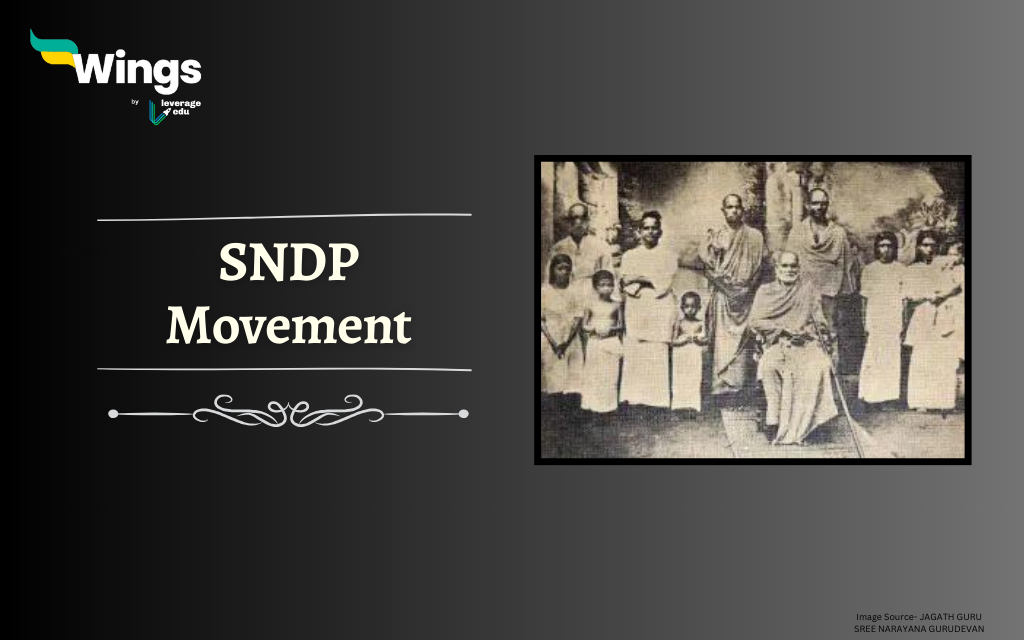
The SNDP Movement, or the Sree Narayana Dharma Paripalana Movement, played a crucial role in social reform during India’s pre-independence era. Emerging in South India, the SNDP Movement addressed the deep-rooted caste discrimination faced by the Ezhava community in Kerala. Led by the revered social reformer Sree Narayana Guru, the movement sought to uplift the Ezhavas, who were traditionally toddy tappers and were denied basic rights such as access to education and entry into temples. The SNDP Movement became a powerful symbol of equality, challenging the rigid caste hierarchy and promoting social justice across the region.
Contents
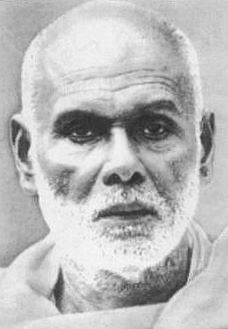
Who was Shree Narayan Guru Swami?
Shree Narayan Guru Swami was a revered Indian social reformer, philosopher, and spiritual leader from Kerala. He worked tirelessly to eradicate caste discrimination and promote equality and education for all.
- Shree Narayan Guru Swami was born on August 22, 1856, in Chempazhanthy.
- He was a member of the Ezhavas Community and was famously known as Avana.
- Since early childhood, he cherished solitude over being in company and devoted his time to deep meditation.
- In 1888, he created a Shivalinga at Aruvippuram using just a stone from the Neyyar River.
- He also started a revolution in Kerala to remove caste injustice and coined the famous slogan of One Caste, One Religion, One God for All.

| Movement Name | SNDP Movement |
| Founded | 1903 |
| Leader | Shree Narayana Guru |
| Key Focus | Caste reform, education, spiritual equality |
| Impact | Temple entry rights, literacy rise, caste unity |
Also Read – 10 Places and Monuments That Shaped Indian History
Origin and Expansion of the SNDP Movement
- The Ezhavas were the most populous cast in the Indian state of Kerala, accounting for somewhere around 26% of the total population.
- In 1888, on the holy occasion of Shivaratri, Narayana Guru, who belonged to the Ezhavas caste, placed a stone from the Neyyar river as a Sivalinga at Aruvippuram.
- Through this revolutionary action, he wanted to spread the idea that the consecration of an idol is not something that should be limited to the upper caste members of society.
- Many years later, in 1889, the Aruvippuram Kshetra Yogam was established to support the Ezhava community in their upliftment and overall advancement.
- In 1903, the Aruvippuram Sree Narayana Guru Dharma Paripalana Yogam was founded and later registered under the Indian Companies Act.
- While Narayana Guru acted as the permanent chairman, Kumaran Asan was appointed as general secretary.
What were the Objectives of the SNDP Movement?
The SNDP Movement wasn’t just about one community. It aimed at a broader social change. Its core goals included:
- Eradication of caste-based discrimination
- Promotion of education among the backwards classes
- Temple entry rights for all, regardless of caste
- Economic empowerment through cooperative societies
- Spiritual upliftment without rituals or caste barriers
- Encouraging values like self-respect, unity, and rational thinking
- Oppose the predominance of upper caste members of the society.
- Promote social equality by removing caste prejudices and injustices.
- Uplift the position of backwards castes by facilitating easy access to education, respected job opportunities, and better lifestyles.
- Promote the rights of lower castes and remove their ban from entering religious places.
Reforms Under the SNDP Movement
The SNDP Movement also introduced numerous prominent reforms in the educational and religious sectors.
Educational Reforms
- One of the primary aims of the SNDP Movement was to promote education among the oppressed sections of society.
- For this, Narayana Guru established numerous schools and institutions in and around Kerala.
Religious Reforms
- Sri Narayana Guru established temples to help people from the backwards castes enter community religious places.
- He travelled around Kerala for almost 15 years to help people with social awareness and develop self-confidence.
- He appointed priests from his group of devout sanyasis.
- He advised his disciples to construct temples more cost-effectively.
- Instead of advocating for people to worship idols, he consecrated Sivalikha, a brass oil lamp, with the phrase Let There be Light.
- Additionally, he also placed a plain stone with engraved inscriptions that stated Truth, Charity, Love, and Mercy in another shrine at Murukkunpuzha.
Social Reforms
- Shree Narayana Guru was at the forefront of bringing social reforms for the Ezhavas.
- In about 30 years, he managed to change the status of Ezhavas from untouchables to a background caste community.
- Additionally, he also collaborated with the Nair Service Society (NSS) to commence the temple admission program.
- He encouraged members of his community to abandon outdated and irrational customs, including the mock marriage tradition (Thalikattu Sampradhayam) and Thirukkuli, a school-level ceremony marking puberty.
- Moreover, he was also against the idea of consuming alcoholic beverages.
Also Read – Arya Samaj: History, Founder, Features, Significance
FAQs
The SNDP movement refers to a famous regional movement that occurred due to the clash between the lower and upper castes. It was founded by Sree Narayana Guru Swamy, who originated it for the backward classes and untouchables. He wanted to remove inequality, nonsensical superstitions, and casteism in Kerala society.
Shri Narayana Guru gave the slogan of One caste, one religion, one god for humankind. He also founded the SNDP, or the Sree Narayana Dharma Paripalana Yogam, in 1903 to spread the ideas of equality and reformation.
The full form of SNDP is Sree Narayana Dharma Paripalana Yogam. The roots of its origin go back to the year 1903, when it was founded with the blessings of Sree Narayana Guru and Dr. Padmanabhan Palpu.
It primarily focused on uplifting the Ezhava community, but its values supported all backwards and oppressed communities.
Temple entry reforms
Founding of schools and colleges
Promotion of inter-caste unity
Growth of cooperative societies for economic empowerment
Relevant Blogs
| Birsa Munda: Life and his Ulgulan Movement | Peasant Movements in India |
| Santhal Rebellion | Chauhan Dynasty |
| Chalukya Dynasty | The Nanda Empire |
This blog was all about the SNDP Movement. If you want to read more articles like this, you can get Short notes on the Modern History of India here. Also, you can visit our general knowledge page on Indian History!

 60,000+ students trusted us with their dreams. Take the first step today!