

 One app for all your study abroad needs











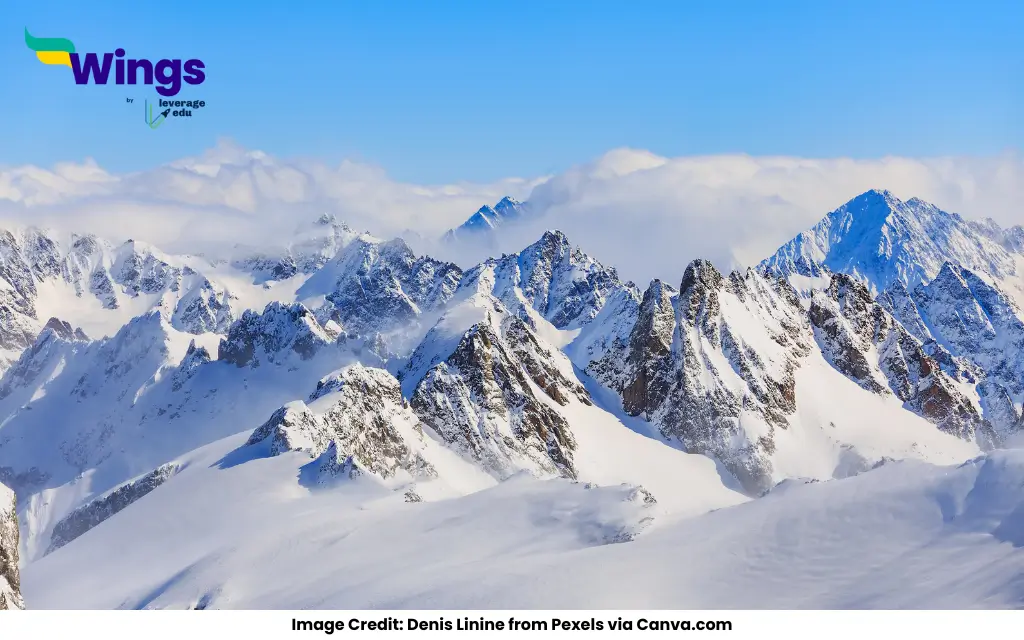
The Shivalik Range is the outermost and youngest range of the Himalayas. The word Shivalik means “tresses of Lord Shiva.” These hills run almost parallel to the main Himalayan ranges and stretch from Jammu and Kashmir in the west to Arunachal Pradesh in the east. Though they are not very high, they play an important role in shaping the physical geography of northern India.
The Shivalik hills are made up of loose sediments such as sand, mud, and pebbles, which have been brought down by rivers from the higher ranges. Because of this, the region is not very stable and is prone to landslides and soil erosion. The average height of the Shivalik Range is between 900 to 1100 meters.
Between the Shivalik Range and the main Himalayas, there are several narrow and flat valleys called Duns. Some famous examples are the Dehradun, Kotli Dun, and Patli Dun. These valleys are very fertile and are used for growing crops like wheat, rice, and sugarcane. Many towns and cities have also developed in these areas because of the suitable climate and fertile land.
The Shivalik Range acts as a natural barrier and separates the hilly region from the plains. It also helps in blocking the cold winds coming from the north, which gives the northern plains a better and more stable climate during winter.
The forests in the Shivalik region are rich in biodiversity. They are home to various species of animals like leopards, deer, and wild boars, as well as birds and reptiles. These forests also provide important resources such as timber, medicinal plants, and fuelwood. Several wildlife sanctuaries and national parks have been established in this region to protect the flora and fauna.
In conclusion, the Shivalik Range may be the youngest part of the Himalayas, but it plays a significant role in India’s geography, agriculture, and environment.
Common Doubts Related to Social Science


 60,000+ students trusted us with their dreams. Take the first step today!