

 One app for all your study abroad needs











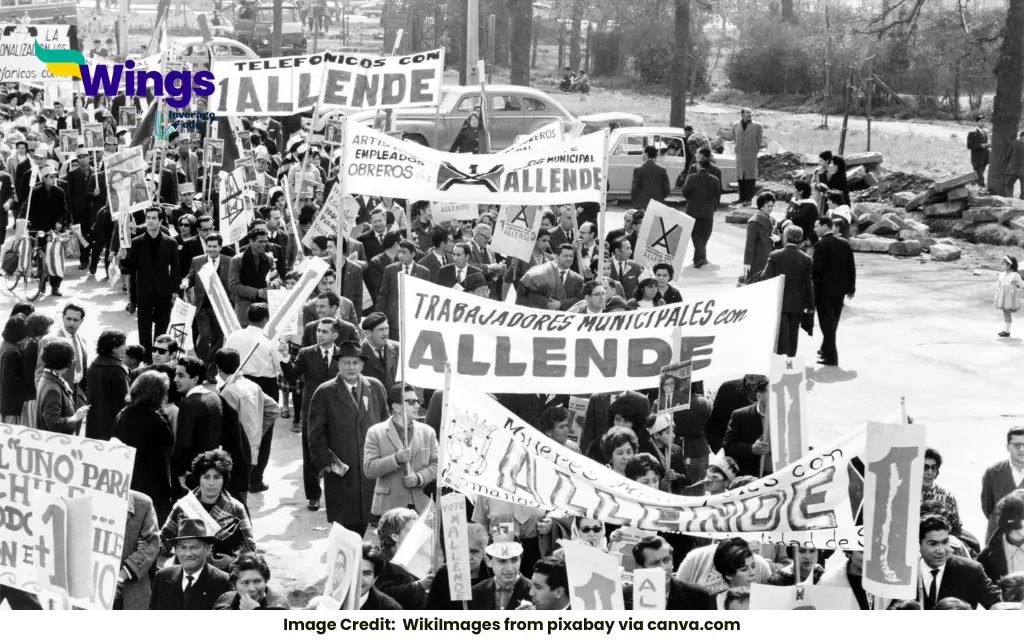
Answer: A strike and a lockout are actions related to disagreements between workers and employers, often in factories or companies. Both happen when there’s a conflict about things like wages, working conditions, or other job-related issues. However, they are different in who starts them and why.
Let’s break it down in a simple way so you can understand.
A strike is when workers decide to stop working to demand better conditions. In a strike, workers come together, usually with the help of a union, and stop their work to pressure the employer. For example, if factory workers feel they are not paid enough or are working in unsafe conditions, they might stop working until the employer agrees to make changes. Strikes are started by workers to show they are unhappy and want their demands met, like higher wages, shorter hours, or better safety rules.
On the other hand, a lockout is when the employer stops workers from working. a lockout, the employer closes the workplace or prevents workers from entering to force them to agree to certain terms. For example, if workers are asking for higher pay, but the employer thinks it’s too expensive, they might lock the gates of the factory to pressure workers into accepting lower wages or different rules. Lockouts are started by the employer to gain control in a conflict.
The main difference is who takes action: workers start a strike, while employers start a lockout. Both are ways to solve disputes, but they can cause problems. During a strike, workers don’t earn wages, and during a lockout, they can’t work at all. Both can disrupt work and affect the company’s production.
Both are ways to settle disagreements, but they show the power struggle between workers and employers. Understanding this helps us see how workers and employers try to find a balance in tough situations.
Common Doubts of Social Science:


 60,000+ students trusted us with their dreams. Take the first step today!