

 One app for all your study abroad needs











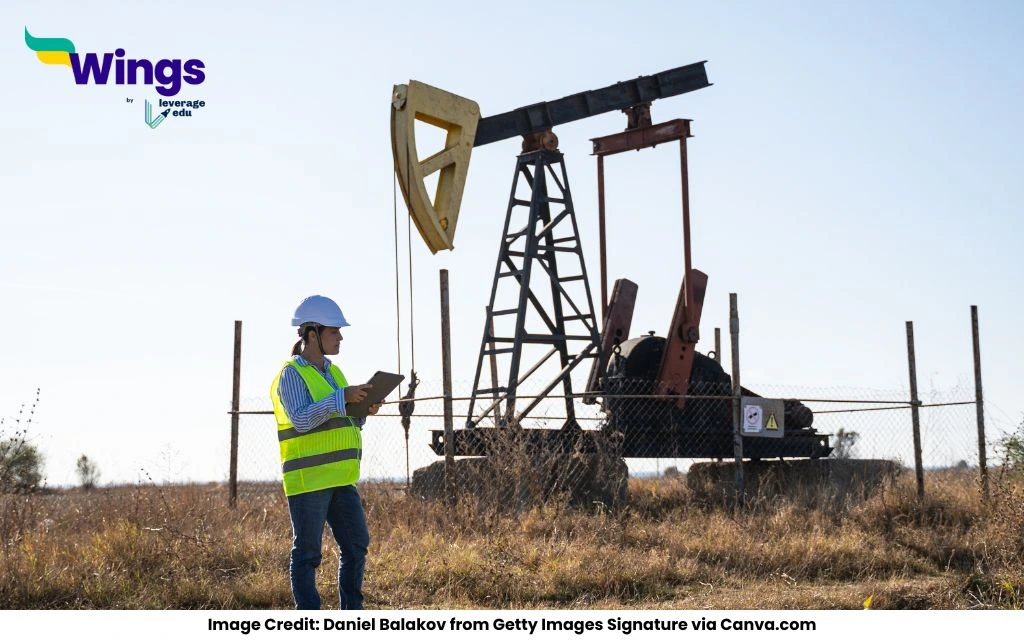
Answer: Potential resources are those that exist in a region and may be used in the future with available technology. Actual resources are those that have been surveyed, measured, and are currently being used. For example, petroleum in the Bombay High is an actual resource, while uranium in Ladakh is potential.
Complete Answer:
Resources can be classified into two main categories: potential resources and actual resources, based on their level of development and usage.
Potential resources are those that are known to exist in a particular region but have not yet been fully utilized or developed. These resources might be unused due to a lack of technology, infrastructure, or economic feasibility. They represent future possibilities. For example, the uranium deposits in Ladakh are considered a potential resource. Scientists and geologists have identified their presence, but they are not yet being exploited due to technological or economic constraints.
Actual resources, on the other hand, are those that have been surveyed, measured, and are being used in the present. Their quantity and quality are known, and they are actively contributing to the economy. These resources are developed using existing technology and infrastructure. A good example of an actual resource is the petroleum extracted from the Bombay High region in India. It is being actively exploited and used for various purposes, including fuel and industrial use.
The classification helps in planning and managing the sustainable use of resources. While actual resources provide immediate benefits, potential resources hold future promise. With advancements in technology and investment in exploration, many potential resources can be converted into actual ones over time, supporting long-term development and resource security.
Check other Geography doubts here:


 60,000+ students trusted us with their dreams. Take the first step today!