

 One app for all your study abroad needs















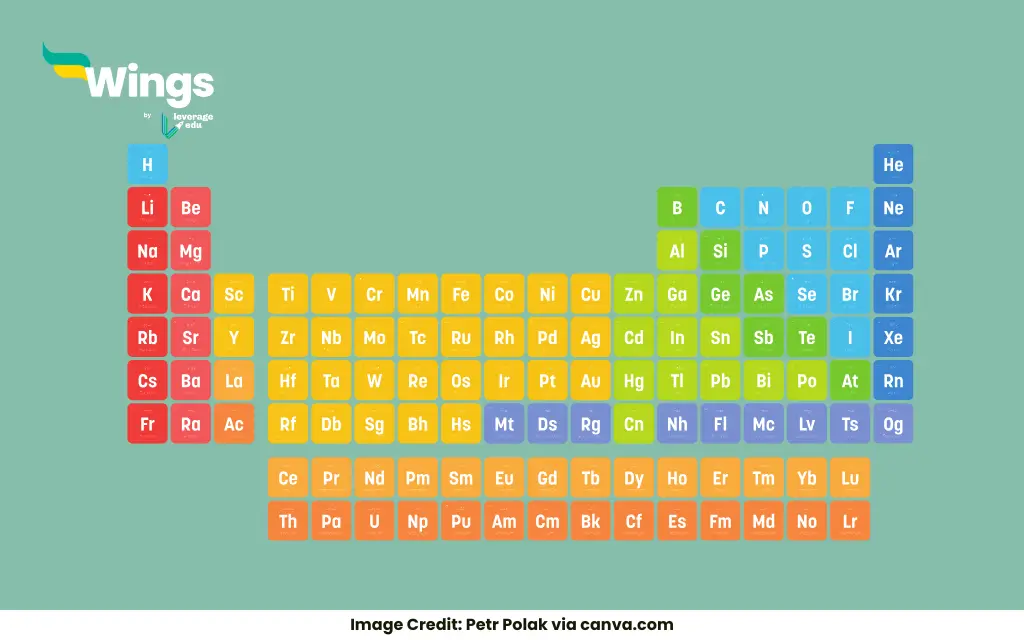
The periodic table is a foundational tool in chemistry, organizing elements based on their atomic number, electron configurations, and recurring chemical properties. Among the categories of elements—metals, nonmetals, and metalloids—metalloids occupy a unique position. These elements exhibit properties that are intermediate between metals and nonmetals, making them crucial in various chemical and industrial applications. Found along the “stair-step” line that separates metals and nonmetals on the periodic table, metalloids serve as a bridge between these two major categories. They are particularly significant in the field of semiconductors and materials science due to their dual characteristics.
The Correct Number of Metalloids
The correct answer is: Option D. 7
There are seven metalloids recognized in the modern periodic table. These elements include Boron (B), Silicon (Si), Germanium (Ge), Arsenic (As), Antimony (Sb), Tellurium (Te), and Polonium (Po). These elements lie along the zigzag line (also known as the metalloid line) that divides metals and nonmetals, generally starting between groups 13 and 17. Each of these elements possesses a mixture of metallic and non-metallic properties, such as being semiconductive, brittle, and having variable reactivity. For instance, silicon is widely used in the electronics industry due to its semiconducting properties, while arsenic is known for its use in pesticides and alloys. Although some sources may occasionally include other elements like Astatine (At) or Selenium (Se), the widely accepted number of metalloids remains seven.
Conclusion
Metalloids play a vital role in both theoretical and applied chemistry due to their hybrid properties. Understanding the correct number of metalloids helps clarify their position and significance within the periodic table. With seven recognized metalloids, they serve as a bridge between the metallic and non-metallic elements, contributing to advancements in technology, electronics, and materials science. Recognizing these elements and their unique characteristics provides valuable insight into the diversity and utility of elements in the periodic table.
Common Doubts of Chemistry


 60,000+ students trusted us with their dreams. Take the first step today!