

 One app for all your study abroad needs











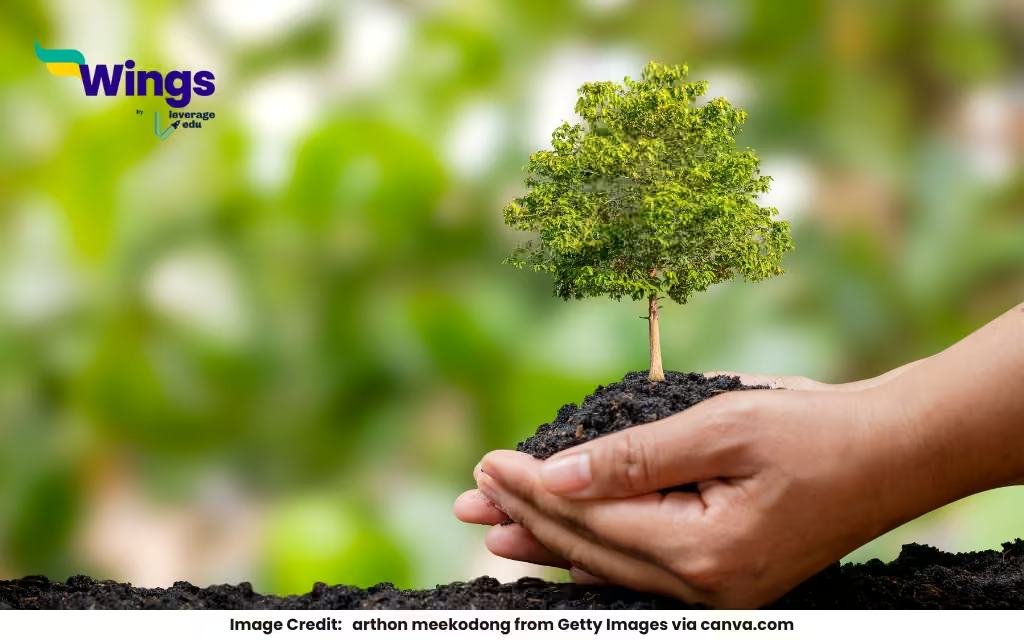
The process of growing more and more plants is commonly referred to as Afforestation when it’s done on previously barren or deforested land, or Plant Cultivation when referring to the general practice of growing plants for agriculture, gardening, or environmental purposes.
Planting more trees and vegetation helps improve air quality, support biodiversity, conserve soil, and combat climate change.
Types of Plant Growing Practices
| Term | Definition |
| Afforestation | Planting trees in areas where there were no previous tree cover. |
| Reforestation | Replanting trees in deforested or damaged forest areas. |
| Horticulture | Growing fruits, vegetables, and ornamental plants in gardens or greenhouses. |
| Silviculture | The practice of growing and managing forest trees. |
| Agriculture | Cultivating plants (and raising animals) for food, fiber, and other products. |
| Permaculture | A sustainable method of growing plants by mimicking natural ecosystems. |
| Urban Greening | Planting trees and plants in urban areas to improve the urban environment. |
Importance of Growing More Plants
Improves Air Quality – Plants absorb carbon dioxide and release oxygen.
Combats Climate Change – Helps reduce greenhouse gases.
Prevents Soil Erosion – Roots hold the soil together.
Promotes Biodiversity – Provides habitat for animals and insects.
Improves Mental Health – Green spaces support emotional well-being
Also Read:
What is Famous in Coimbatore for Food?
What was the result of majoritarianism in Sri Lanka?
Which is the Darkest Layer of the Soil?


 60,000+ students trusted us with their dreams. Take the first step today!