

 One app for all your study abroad needs











Answer: Different crops are grown in different regions because not all crops need the same natural and human conditions to grow well. Some crops require more water, while others grow better in dry areas. Type of soil, climate, rainfall, topography, availability of water, and methods of farming all play an important role in the selection of crops for different regions. Also, things like labour, demand in the market, and political support influence what farmers decide to grow.
Complete Answer
1. Type of Soil
Soil is one of the most important factors for growing crops. It is a mixture of minerals, air, water, and organic matter. Different soils support different crops.
For example, rice needs clayey soil that can hold water well. That is why rice is mainly grown in states like West Bengal, Assam, and Kerala, where both the soil and climate are suitable. On the other hand, wheat grows best in loamy soil that drains well and is rich in nutrients. It also prefers cooler climates and is grown in Punjab, Haryana, and parts of Uttar Pradesh, where winters are cold.
2. Availability of Water
Availability of water is another important factor for growing different crops in different regions. Some crops like rice and sugarcane require a lot of water, so they are grown in areas with high rainfall or proper irrigation systems. While crops like millet and jowar can survive with less water, making them ideal for dry regions like Rajasthan.
3. Topography
Topography, or the shape and elevation of land, also matters in growing crops in different regions. For example, crops like tea, coffee, and rubber grow better in hilly areas where the land provides natural drainage. Flat plains are suitable for crops like wheat and paddy because they are easier to plough and irrigate.
4. Climate and Amount of Rainfall
Climate and rainfall are closely related to the choice of crop. Rice grows well in hot and humid weather with rainfall between 150 to 300 cm. On the other hand, crops like barley and mustard prefer cooler climates and moderate rainfall.
5. Human Factors
Besides natural reasons, human factors also influence crop patterns. In areas with more labour, farmers grow labour-intensive crops like paddy and sugarcane. Regions near cities grow fruits, vegetables, and flowers that are in high demand. Modern farming methods, the use of technology, and market needs also play a big role in growing different crops in different regions. For example, areas that use tractors and machines prefer crops that can be easily harvested.
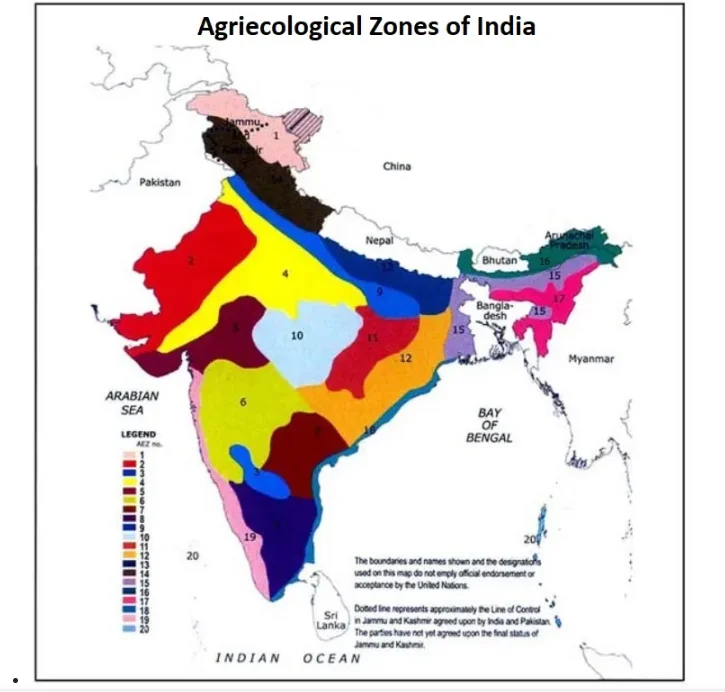
Now, if you are asked to ‘Give reasons. Different crops are grown in different regions,’ explain that it is due to differences in soil, water availability, land features, and human activities.
Check out other informative Geography Topics from here:


 60,000+ students trusted us with their dreams. Take the first step today!