

 One app for all your study abroad needs











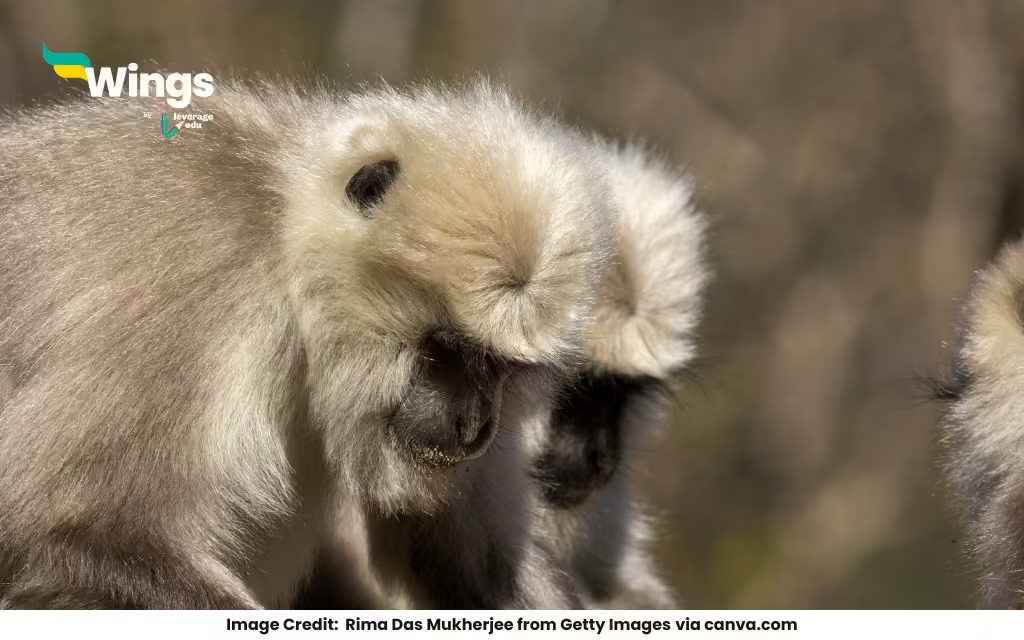
Langur monkeys, known for their long limbs, expressive faces, and distinctive black or grey fur, are fascinating creatures commonly found in South Asia, particularly in India, Sri Lanka, Nepal, and Bangladesh. While they may appear calm and gentle from a distance, the friendliness of langur monkeys depends on several factors including their environment, human interaction, and social structure.
Are Langur Monkeys Naturally Friendly?
Langur monkeys are not naturally aggressive, but labeling them as “friendly” can be misleading. In the wild, they are generally shy and avoid human contact. However, in urban or religious settings where humans frequently feed them, langurs may become tamer or more tolerant of people, sometimes appearing friendly.
Wild vs. Urban Langur Behavior
| Aspect | Wild Langurs | Urban Langurs |
| Interaction with Humans | Avoids contact, stays distant | May approach humans for food |
| Aggression | Rare unless threatened | Can be aggressive if provoked or teased |
| Food Habits | Natural diet (leaves, fruits) | Adapted to human food, hand-fed often |
| Behavior | Timid and cautious | Bold and sometimes mischievous |
Can Langurs Be Tamed or Kept as Pets?
While some people attempt to domesticate langurs, it is illegal and unethical in many countries, including India, where they are protected under the Wildlife Protection Act of 1972. Langurs are wild animals and not suited for captivity. Taming them can result in stress and behavioral changes that are harmful to both the animal and the human handler.
Also Read:
What is scientific name of dog?
What is the IGNOU Grade Card?
What is the impact of flexible labour laws on workers?


 60,000+ students trusted us with their dreams. Take the first step today!