

 One app for all your study abroad needs















Answer
Verified
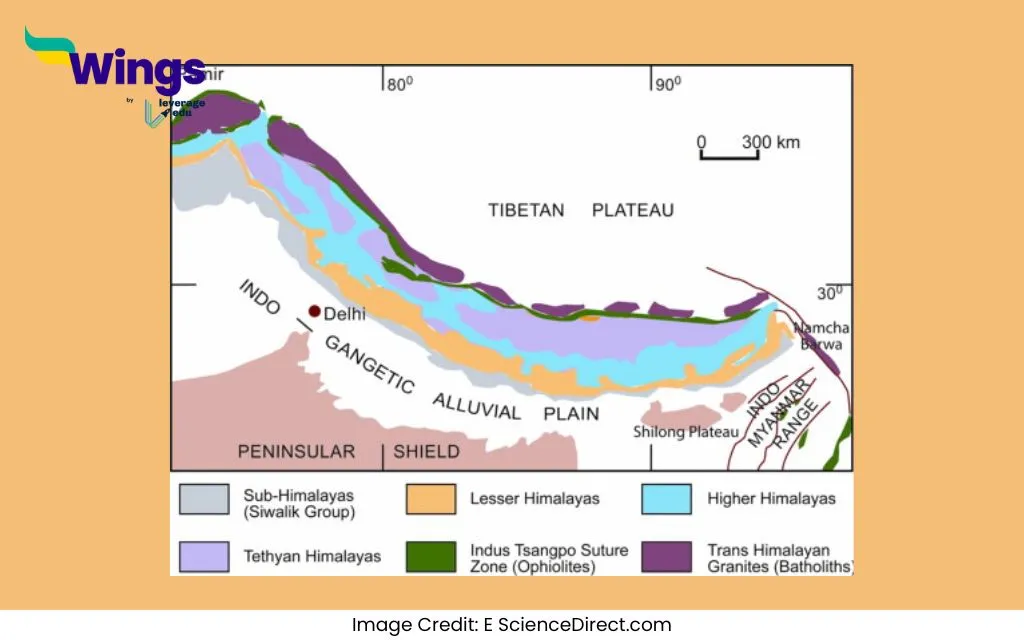
The three parallel ranges of the Himalayas are Himadri (Greater Himalayas), Himachal (Lesser Himalayas), and Shivalik (Outer Himalayas).
Complete Answer:
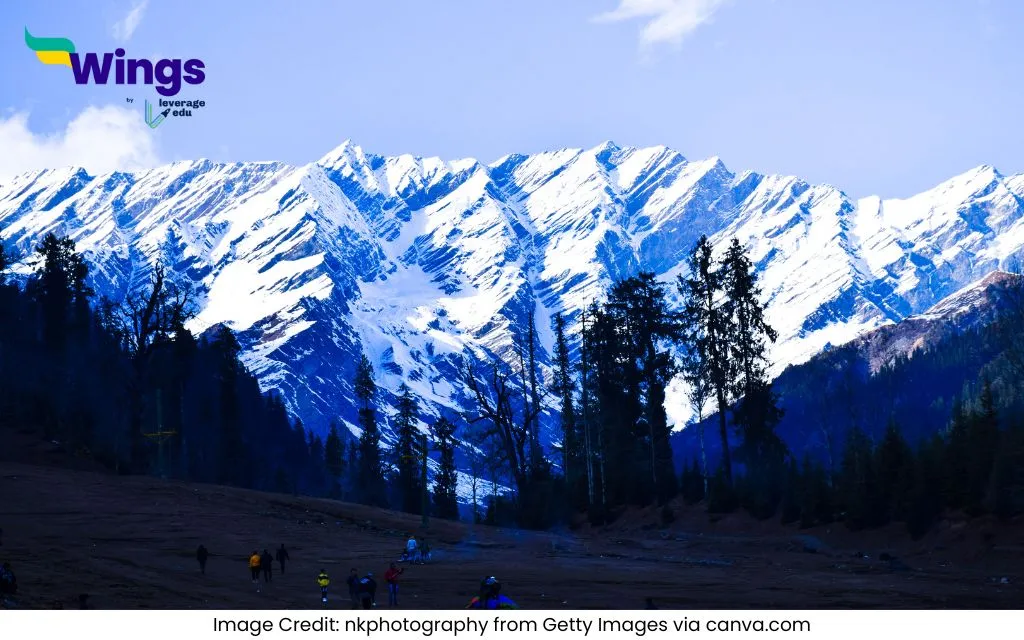
The Himalayas, one of the most magnificent mountain ranges in the world, are divided into three parallel ranges: the Himadri, Himachal, and Shivalik. Each has distinct characteristics based on elevation, vegetation, and wildlife. Here’s a detailed explanation:
1. Himadri (Greater Himalayas)
- The Himadri is the tallest range, with an average elevation of 6,000 meters or more. Peaks like Mount Everest (8,848 m) and Kanchenjunga (8,586 m) are located here.
- Due to extreme cold, vegetation is sparse. Only mosses and lichens grow at higher altitudes, while alpine shrubs and grasses are found at lower elevations.
- Animals like snow leopards, Himalayan tahr, and yaks inhabit this region.
- Glaciers like Gangotri and Yamunotri give birth to important rivers such as the Ganga and Yamuna.
- Himadari is Known for glaciers, high peaks, and deep gorges.
2. Himachal (Lesser Himalayas)
- The average height ranges from 3,500 to 4,500 meters.
- This range is covered with dense forests of oak, pine, deodar, and rhododendron, making it rich in biodiversity.
- Animals like leopards, Himalayan black bears, and musk deer are found here.
- This range is home to picturesque valleys like the Kashmir Valley and Kullu Valley. Rivers like Beas and Ravi flow through this region.
- The Himachal range has several hill stations, such as Shimla, Manali, and Dharamshala, and fertile plateaus like the Chamba Plateau.
3. Shivalik (Outer Himalayas)
- One of the three parallel ranges of the Himalayas, the Shivalik range is the lowest, with an average elevation of 900 to 1,200 meters.
- It has tropical forests with sal, teak, and bamboo trees. This range is very fertile and lush.
- Animals like elephants, wild boars, and deer live here, along with various birds and reptiles.
- The Doon valleys, such as Dehradun and Kotli-Doon, lie between the Shivalik and Himachal ranges. Seasonal rivers, called “chos,” flow through this region.
- It has fertile foothills used extensively for farming.
Common Geography Questions:


 2,00,000+ students realized their study abroad dream with us. Take the first step today.