

 One app for all your study abroad needs

















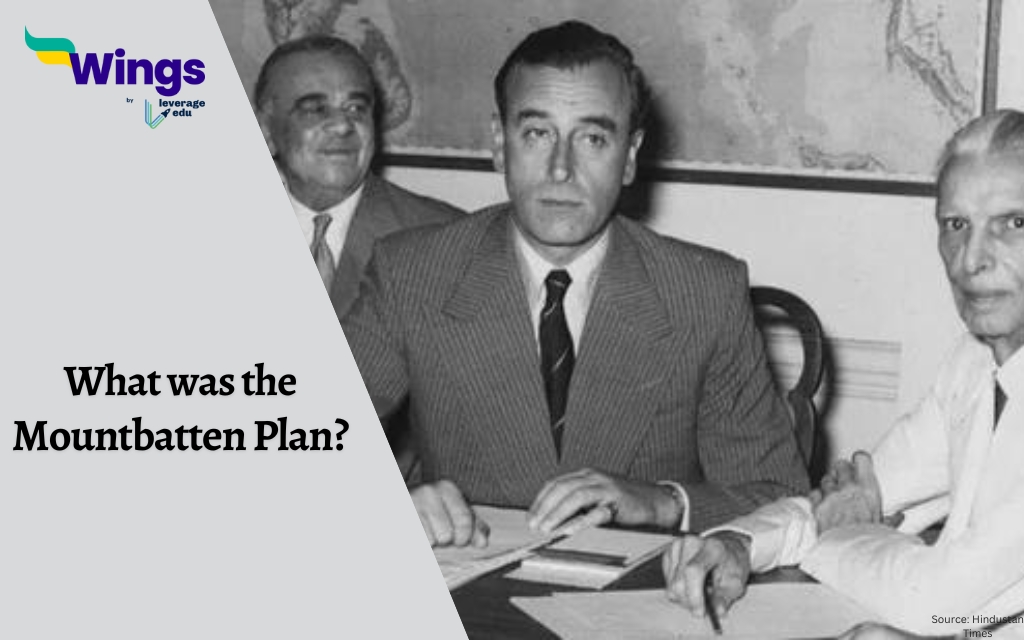
The Mountbatten Plan, also known as the Indian Independence Act of 1947, was a very important plan that changed the future of India. It was announced in June 1947 by Lord Louis Mountbatten, the last British Viceroy of India. The main goal of the plan was to quickly end British rule in India and to divide the country into two new independent nations: India and Pakistan.
At that time, there were serious tensions between Hindus and Muslims, and the British government wanted to leave India as soon as possible. The plan offered a way to transfer power peacefully and avoid more violence. It suggested that India would be split (or partitioned) into two countries, each having its own government. Both new countries would become part of the British Commonwealth as Dominions, meaning they would be free but still keep some ties to Britain.
In this blog, we will explain the Mountbatten Plan in a simple way, from its background and reasons to its main points and what happened after it was introduced.
Contents
History of the Mountbatten Plan
Before moving ahead, let us first discuss the history of the Mountbatten Plan.
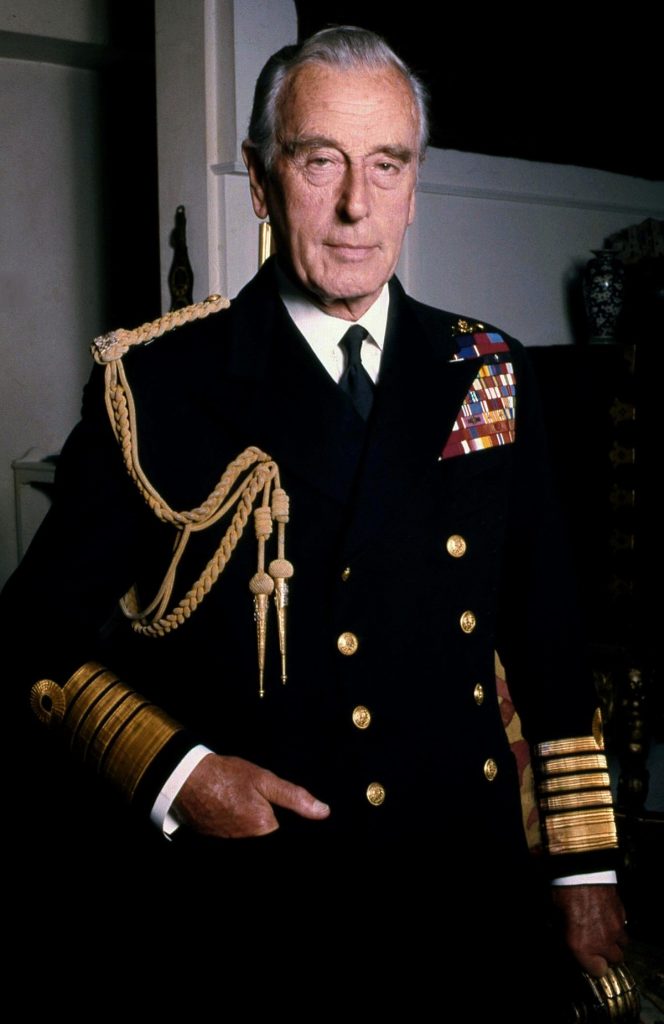
- Lord Mountbatten was appointed as the Viceroy of India in 1947.
- He was assigned with the imperative task of smooth and speedy partition of India into two entirely new and independent states. This was done by the then British Prime Minister Clement Atlee.
- In the year 1947, Lord Mountbatten proposed a revolutionary plan which declared the provinces as independent successor states. Moreover, they were also given the choice to join the constituent assembly. This came to be known as the Dickie Bird Plan.
- However, Jawaharlal Nehru opposed this plan and said that it would eventually lead to the Balkanisation of the country. Consequently, the plan got another name the Plan Balkan.
- Upon receiving rejections, he came up with another plan called the June 3 Plan or the Mountbatten Plan.
- It talked about the principles of partition, sovereignty, the autonomous status of both countries and other essential things.
What were the Main Provisions of the Mountbatten Plan?
The Mountbatten Plan featured numerous key provisions such as:
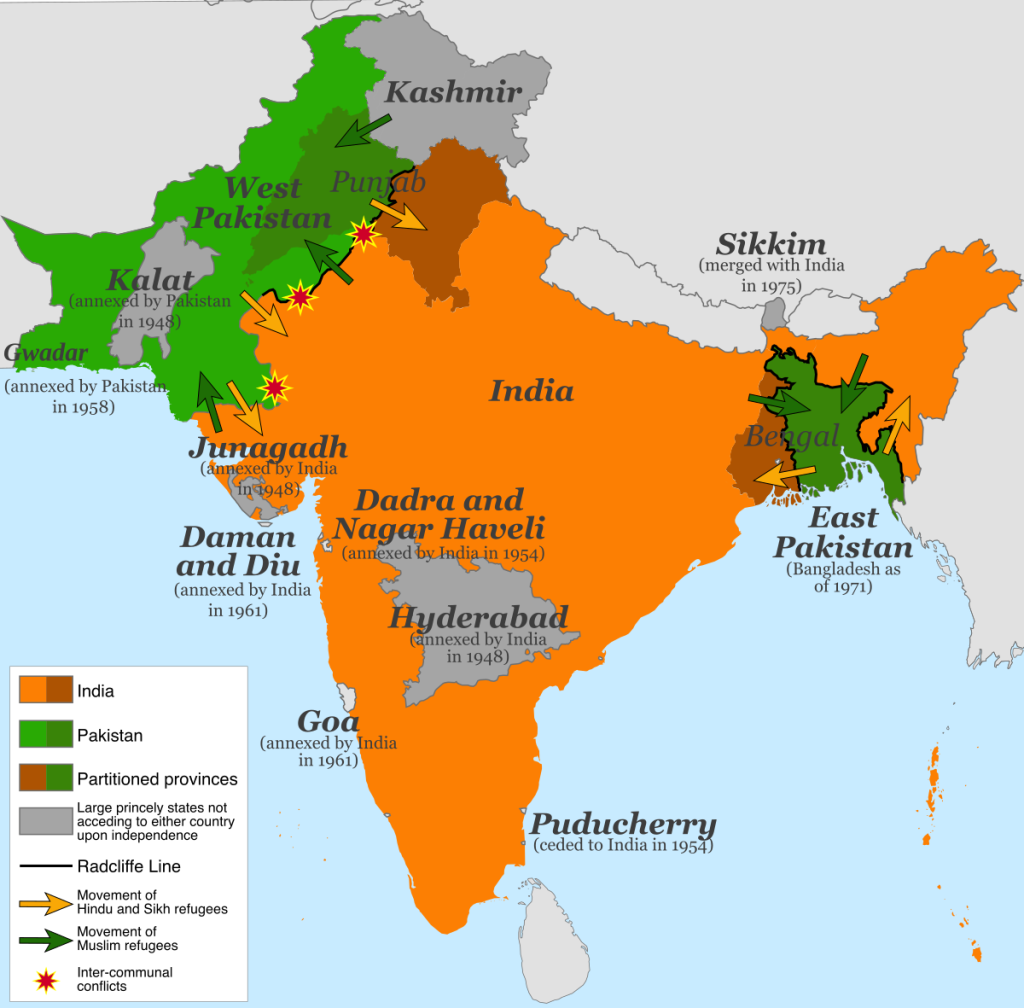
- India would be divided into two different independent states namely India and Pakistan.
- The states of Punjab and Bengal will be divided between the newly formed countries.
- A governor general will be appointed in India and Pakistan who would represent the Crown.
- The control of the British government will be revoked from the Princely States. Additionally, the rulers of these states were also given the choice to join either of the two newly formed independent states.
- The title of the emperor of India was finally abolished.
- A constituent assembly for Pakistan will be established to frame its constitution.
Features of the Lord Mountbatten Plan
Below we have jotted down the essential features of the Lord Mountbatten Plan to help you understand the topic better.
- The act received its royal agreement on July 18, 1947.
- The act set 15th August 1947 as the day on which India will be divided into two different countries.
- It received wide appreciation from a major part of the population including the Muslim League, the Sikh community, and the Indian National Congress.
- Regions like the East Bengal, Balochistan, Sindh, and West Punjab were to be included in Pakistan.
- Interestingly, the division of the Sylhet district and Khyber Pakhtunkhwa was to be decided according to the votes.
- The Mountbatten Plan established East Punjab and West Punjab.
- A referendum was held for the NWFP or North-Western Frontier Province to decide which country they joined.
- To establish international boundaries, the Boundary Commission was established under the chairmanship of Sir Cyril Radcliffe.
- Moreover, the commission was also empowered to demarcate the boundaries of Bengal and Punjab according to the partition of the country.
Lasting Impact of the Mountbatten Plan
Even though the Mountbatten Plan succeeded in ending British rule, it also created long-term issues that still affect the region today.
Key effects of the plan:
- One of the largest migrations in history — nearly 15 million people crossed borders during partition.
- Tensions between India and Pakistan began from day one and have continued for decades.
- The Kashmir issue, which still causes conflict today, started during this time.
- Emotional and social impact — communities were torn apart, and the trauma of partition is remembered even now.
Relevant Blogs
| Evolution of the Indian Flag | 1st Amendment of the Indian Constitution |
| Formation of Muslim League | Widow Remarriage Act |
| What was thе Pеrmanеnt Sеttlеmеnt or Zamindari Systеm? | What was thе Ralеigh Commission? |
FAQs
Although the Plan received hatred and opposition from many people, it also came with numerous benefits. For instance, it finally gave India its long-awaited independence, established a Muslim-majority country of Pakistan, and made efforts to ensure peace.
Amidst others, the three main features of the Mountbatten Plan include the referendum of the North West Frontier Province and Sylhet district of Assam, the abolition of the title of the emperor of India, and the division of India and its states into India and Pakistan.
The Mountbatten Plan was introduced on 3 June 1947 by Lord Mountbatten.
That’s all about Mountbatten Plan! If you want to know more about topics like this, then visit our general knowledge page! Alternatively, you can also read our blog on general knowledge for competitive exams!

 60,000+ students trusted us with their dreams. Take the first step today!