

 One app for all your study abroad needs













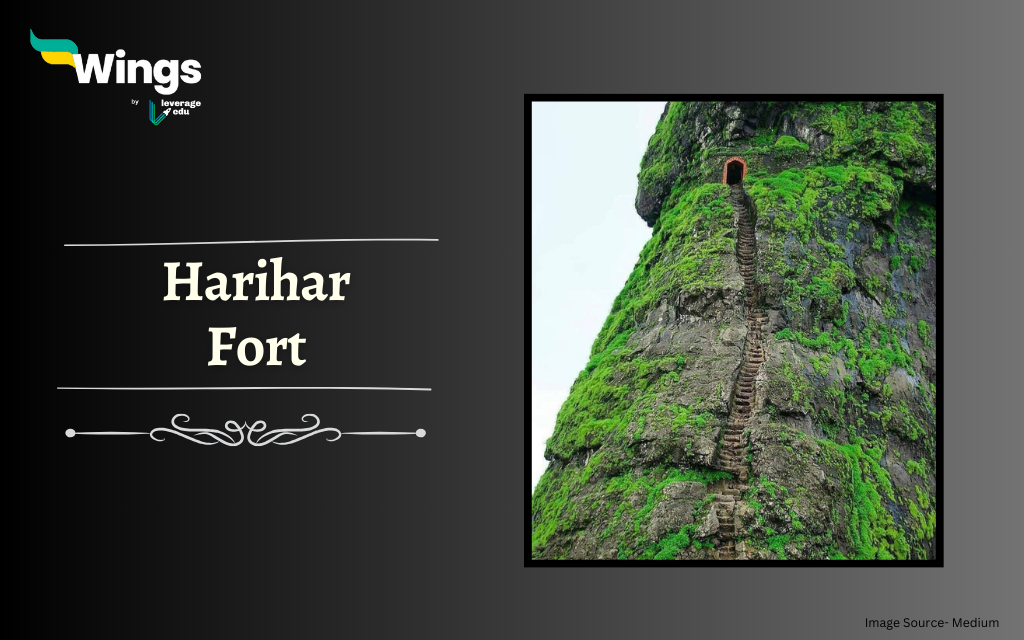
Harihar Fort, also known as Harshagad, stands tall at an elevation of 3,676 feet above sea level. So are you intrigued by the stories of ancient fortresses and their glorious past? If so, let’s delve into Harihar Fort history, a majestic structure which is located in the Western Ghats of Nashik district in Maharashtra, India. This blog will cover some details about the mesmerizing features and fascinating facts surrounding this architectural marvel.
Contents
- 1 Harihar Fort Information: Quick Facts
- 2 History of Harihar Fort
- 3 Which God is in Harihar Fort?
- 4 Features of Harihar Fort
- 5 Facts about Harihar Fort
- 6 Timings and Entry Fee of the Harihar Fort
- 7 Best Time To Visit Harihar Fort
- 8 5 Things to Keep in Mind for the Harihar Fort Trek
- 9 Other Attractions Near Harihar Fort
- 10 FAQs
Harihar Fort Information: Quick Facts
| Commissioned by | Yadava Dynasty |
| Also Known as | Harshagad |
| Location | Nashik, Maharashtra |
| Timings | Open 12:30 PM to 2:AM on all days |
| Entry Fee for fort | No Entry Fees |
History of Harihar Fort
- The exact origin of Harihar Fort dates back to the 9th to 14th century during the Yadava Dynasty rule. It was initially constructed for military purposes, serving as a watchtower to monitor the nearby trade route and ensure the safety of the region
- The fort later came under the control of various dynasties, including the Mughals, Bahamanis, Marathas and the British, each leaving their mark on its architecture.
- It was under the control of the Ahmadnagar Sultanate. In 1636, Shahaji Bhosale surrendered Harihar Fort, along with Trimbak, Tringalvadi, and a few other Poona (now Pune) forts, to the Mughal General Khan Zaman.
- Later on, in 1818, Captain Briggs captured all 17 forts, including Harihar Fort, after the fall of Trimbak. These forts were then surrendered to the British Army.
The Fort is the highest point of the Sahyadri mountain range and was purposefully built to keep an eye over the Gonda Ghat trade route.
What is the Second Name of Harihar Fort?
The second name of the Harishar Fort is Harshagad Fort. Harshagad Fort is the name used in several historical texts by the local people. ‘Gad’ refers to the fort in Marathi. Hence, the name Harshagad is popular. It is important to note that both names are used interchangeably. However, the widely recognised name for the fort is Harihar.
Who Built Harihar Fort?
The Harihar Fort was built during the Yadava dynasty of Devagiri. The Yadava Dynasty ruled areas of Maharashtra around the 12th and 13th centuries. This fort was part of their network in the Sahyadris. Therefore, the Yadava Dynasty is credited with building the fort. The exact names of the people involved are not available. At the time of the Mughals and the Marathas, the fort came under their control. Thus, they were involved in the modification of the fort.
Which God is in Harihar Fort?
The Gods that are worshipped in Harihar Fort are Lord Hanuman and Lord Shiva. The fort has small temples for these Gods. These shrines are simple and spiritually significant to the local devotees. The Hamuman idol is often visited by pilgrims and trekkers. Often offerings are made here, particularly during festivals. The existence of temples of these deities showcases the Maratha and Hindu cultural influences on the fort.
Features of Harihar Fort
- Rock-cut Staircase: One of the most extraordinary features of Harihar Fort is its rock-cut staircase carved out of solid rock, this spiral staircase leads to the fort’s summit with 117 steps and is inclined on a 90-degree vertical.
- Unique Water Cisterns: As you explore the fort, you will come across numerous water cisterns, locally known as “Pandavleni,” that once provided a reliable water supply to the inhabitants. These ingenious structures showcase the fort’s advanced engineering and water conservation techniques. There remains a freshwater pond just in front of the Shiva Temple.
- Temple Complex: Harihar Fort is home to two temples, dedicated to Lord Hanuman and Lord Shiva. These sacred shrines are located at the top of the Sahyadri mountain.
- Bastions and Watchtowers: The fort boasts several well-preserved bastions and watchtowers strategically positioned to provide a vantage point for defending the fort against enemy attacks.
Also Read – Rajgad Fort History: Features, Facts, Timings & More
Facts about Harihar Fort
- The striking feature of Harihar Fort is its peculiar triangular shape, earning it the nickname “Sada Fort.”
- It is believed that the construction of the fort was supervised by the famous sage Parashurama, who was known for his immense strength and knowledge.
- Harihar Fort is a popular destination for trekking enthusiasts, offering a challenging yet rewarding experience. The trek to the fort presents panoramic views of the surrounding Sahyadri mountain range and lush green valleys.
- The top plateau offers a mesmerizing view of the Vaitarna Reservoir in the distance, along with a stunning 360-degree panoramic view of the Sahyadri Trimbakeshwar mountain ranges.
- One can also spot many forts and peaks from the top, including Bhaskargad or Basgad, Anjaneri Fort, Brahma Parvat, Utwad Fort, Navra-Navri Peak, Phani/Fani Dongar Hill, Brahmagiri and several others.
Also Read – Neemrana Fort History: Features, Facts, Timings & More
Timings and Entry Fee of the Harihar Fort
The fort is open to the public for trekking from 12:30 PM to 2:00 AM on all days and is a trekker’s spot for trek lovers. There are no entry fees nor does one have to acquire any permission.
As we conclude, not many architectural remains of the Harihar Fort are in their place as most of them have been ruined in the many events that the fort faced. But one cannot deny the serene and mesmerizing view the fort holds. The sunsets and the other peaks and forts that are visible from this highest point give a sense of calmness and a feeling of joy.
Best Time To Visit Harihar Fort
The best time to visit the Harihar Fort is provided below:
| Season | Months | Highlights | Cautions |
| Monsoon | June to September | – Lush green landscape- Fresh air- Waterfalls & streams enhance the beauty | – Slippery rock-cut steps- Risk of rainfall |
| Post-Monsoon | October to November | – Pleasant weather- Clear skies- Trails less slippery- Vibrant greenery | – Some trails may still be damp |
| Winter | December to February | – Cool, crisp weather- Excellent visibility- Ideal for photography- Safer dry trails | – Carry warm clothing for early mornings/evenings |
5 Things to Keep in Mind for the Harihar Fort Trek
Here are the 5 things you must keep in mind for the Harihar Fort Trek
- Check the timings (12:30 PM to 2:00 AM) for entry
- Keep at least 2 litres of water, your personal medication, a first aid kit, and high-calorie dry food.
- Since its mostly monsoon, it is recommended that you wear dry clothes, waterproof shoes, and carry a windcheater/poncho and extra socks. It is best to avoid wearing cotton.
- You can use a haversack (backpack) to evenly distribute weight. Avoid wearing sling bags for better balance and comfort.
- It is important to remember that the trek can be physically challenging. Hence, it is not ideal for beginners. It is also advisable to plan your return early, before 3:00 pm as transportation many not be easily available.
Other Attractions Near Harihar Fort
| Trimbakeshwar Shiva Temple | JenJon Lake Vaitarna Waterfalls |
| Dugarwadi Waterfall | Brahmagiri Temple |
| Deobandh Temple | Durga Bhandar |
| Anjaneri Fort | Vitthal Bagh |
FAQs
Harihar Fort is considered special due to its steep rock-cut steps that form a nearly vertical staircase carved into the cliff face. These narrow steps have precise handgrips to make the ascent thrilling and adventurous. This shows excellent medieval engineering. Due to the scenic beauty of the place, it is also a popular trekking destination.
The Harihar Fort was built around the 12th century AD. It was used by several ruling powers, including the Mughals and Marathas. The fort existed during the Yadava Dynasty. The strategic location of the Fort showcases its longstanding military importance. As per records, the fort is about 800 to 900 years old.
The Harihar Fort was built by the Yadava Dynasty between the 9th and 14th centuries. The fort is situated in the Trimbakeshwar Mountain Range in Maharashtra, India.
Relevant Blogs
| Janjira Fort History | Amer Fort History |
| Kumbhalgarh Fort History | History of Fatehpur Sikri |
| Red Fort History | Famous Castles of England |
That’s all about Harihar Fort history! If you want to know more about topics like this, then visit our general knowledge page! Alternatively, you can also read our blog on general knowledge for competitive exams!

 60,000+ students trusted us with their dreams. Take the first step today!