

 One app for all your study abroad needs





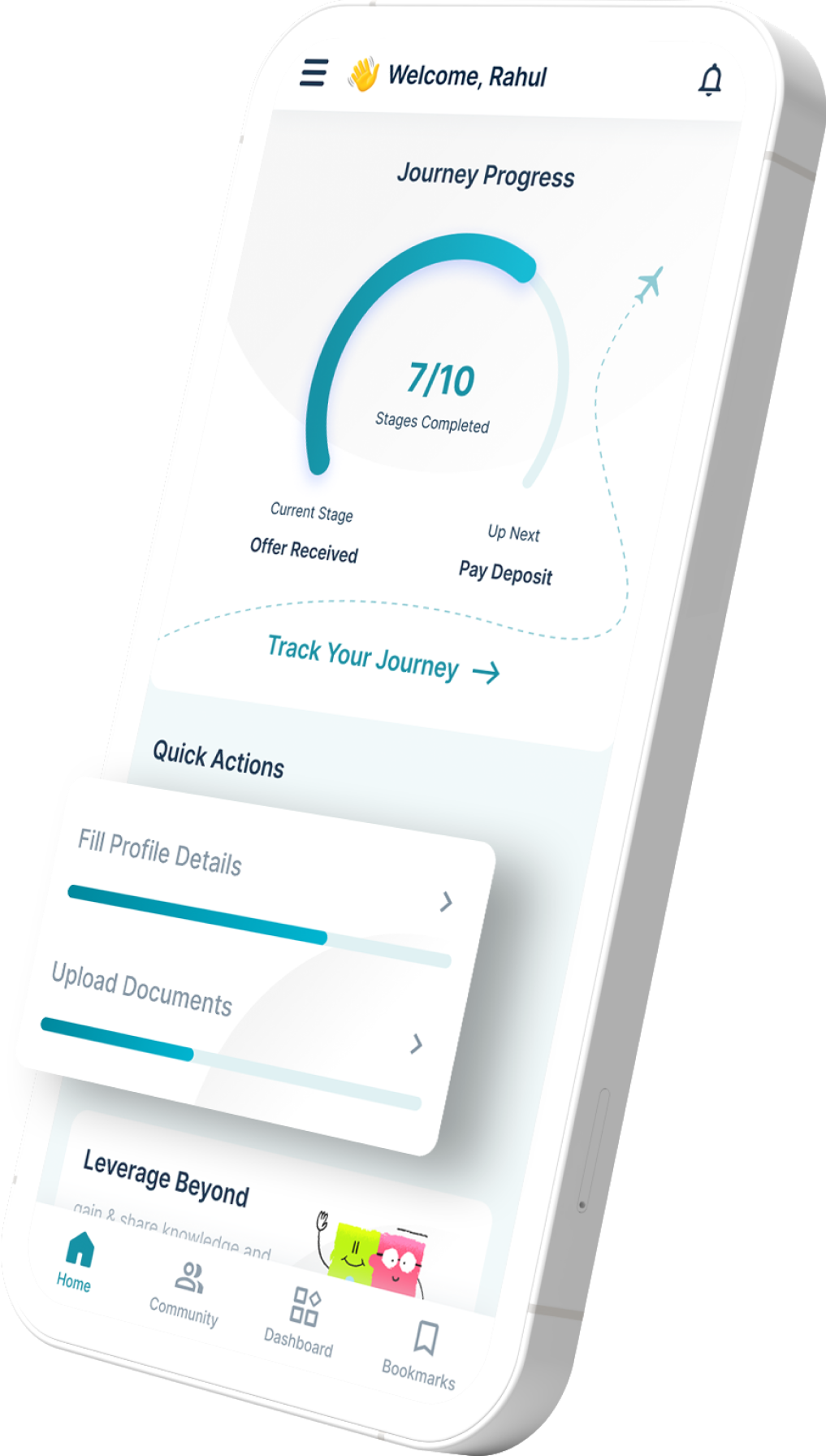
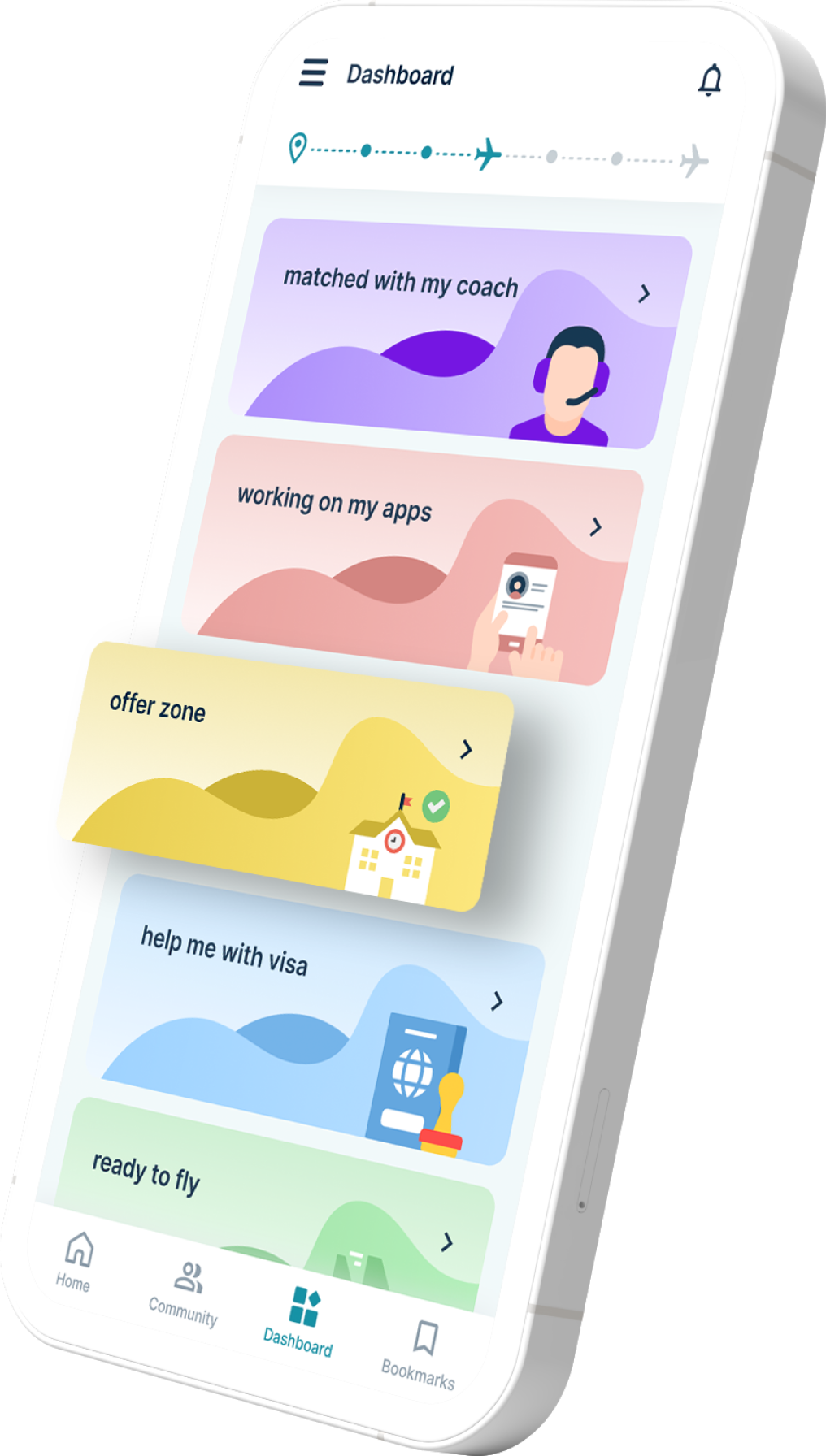










Grades, applications, deadlines, scholarships, visas. It all tends to land at the same time, and that’s where most of the stress comes from. If Aston is already on your shortlist and you’re wondering whether you actually have a chance, Aston University admission becomes far less daunting once you know what the university looks for in an applicant.
Birmingham-based, Aston University runs undergraduate and postgraduate programmes across business, engineering, computer science, healthcare and other popular fields, backed by a decent spread of scholarships for international students. What follows is a practical walk-through, from your Aston University application to deadlines, costs and funding.
Aston University Admission: What Do You Need?
Requirements depend on your course and whether you’re applying for undergraduate or postgraduate study.
For undergraduate entry, Aston accepts CBSE, ICSE and State Board qualifications, with the required percentage tied to the equivalent UK grade for your course. Current equivalencies range from 85% for an AAA requirement down to 45% for a DDD requirement for ICSE/CBSE students, with State Board requirements generally set higher for the same UK grade. Some courses carry specific subject or Class 10 requirements too.
Postgraduate applicants generally need a recognised Bachelor’s degree, with current equivalencies as follows:
- 70% for a UK First Class equivalent
- 60% for a UK 2:1 equivalent
- 50% for a UK 2:2 equivalent
The exact figure depends on your chosen programme.
English Language Requirements
Some Indian students qualify for an English-language waiver based on Class 12 results or a previous degree. Aston University currently maps certain CBSE and ICSE English scores to its IELTS-equivalent requirements. Students who don’t meet the waiver criteria will need an accepted English-language qualification instead. Don’t assume IELTS tests are compulsory for everyone; check your marks and course first.
How to Apply to Aston University
Your Aston University application route depends on your level of study. September is the main batch intake for undergraduate study, so applying well within the window gives you more room to sort scholarships and your visa before the course begins.
Undergraduate applicants apply through UCAS (institution code A80):
- Create an account
- Select courses
- Submit academic details, a personal statement and a reference
For September 2027 entry, the standard UCAS deadline is 13 January 2027, with Medicine applications due earlier, by 15 October 2026.
Postgraduate applicants apply directly through Aston’s Applicant Portal using the Apply Now option on their course page. Early application matters here, since courses can close once enough applications come in. You’ll typically need:
- Academic transcripts
- Degree certificate
- Passport
- Statement of Purpose
- References
- CV where relevant
- English-language evidence if required
Indian applicants currently submit a 600-word Statement of Purpose and one reference for most programmes, though MBA applications need two.
Aston University Scholarships
Tuition is a major part of any UK study budget, so checking Aston University scholarships before accepting an offer is worth the time.
- For January 2027 postgraduate entry, the International Community Scholarship offers a £4,000 discount (though several programmes, including the MBA, are excluded)
- Selected students are also able to apply for the £10,000 Sir Adrian Cadbury Chancellor’s Scholarship
- The Sir Adrian Cadbury Chancellor’s Scholarship offers £10,000 off, with applications closing 1 November 2026.
Since rules and values shift by intake, treat the award available for your specific course and start date as the one that matters.
How Much Does it Cost to Study in the UK for Indian Students?
The cost to study in UK for Indian students can be divided into two parts:
Tuition Fees
There’s no single fee, since tuition depends on course, study level and intake; your offer letter confirms the exact figure. Aston University does allow instalment payments: for 2026/27, international postgraduates generally pay 50% before enrolment, with 25% instalments following later in the year.
Living Costs
Birmingham helps here, being generally more affordable than London. A reasonable planning figure for students outside London is £900–£1,300 a month, depending on accommodation and lifestyle, with Aston University’s own accommodation options making this easier to plan around. Factor in rent and deposits, food, local transport, mobile and internet, study materials, personal expenses, travel, and health and visa-related costs.
What Happens After You Get an Offer?
Check first whether your offer is conditional or unconditional. A conditional offer means specific requirements, grades or documents still need to be met. If a UK Student visa applies to you, you’ll also need to complete Aston’s pre-CAS process before the university issues your Confirmation of Acceptance for Studies, with deadlines varying by course, country and visa route. Aston’s step-by-step CAS and student visa video walks you through the Pre-CAS questionnaire, financial requirements and tracking your CAS, so it’s worth a watch before you start. Meeting the academic offer isn’t the finish line, so leave enough time for financial documents and the visa application too.
How Leverage Edu Can Help
Applying to a UK university involves more than filling in a form. Choosing the right course, understanding UK university admission requirements, preparing documents, identifying scholarships and planning finances and your visa all need attention, and it’s easy to lose track of what comes next.
Leverage Edu supports students through university shortlisting, applications, scholarships, education loans, visa guidance, forex and accommodation, so nothing falls through the cracks. Over 100 students have already received Aston University offer letters with our support, so you’d be in experienced hands.
Ready to Apply to Aston University?
Aston University can be a strong choice for a career-focused UK education in Birmingham, but don’t rush the application just because the university looks appealing. Check exact course requirements, prepare documents early, understand your deadline, and explore Aston University scholarships before accepting an offer. For Indian students, the biggest advantage lies in clearly defined, country-specific requirements, backed by pathway options if your academic profile doesn’t quite meet direct entry criteria.
FAQs
How do I apply for Aston University?
Undergraduate applicants apply through UCAS, using Aston’s institution code A80. Postgraduate applicants generally apply directly through Aston’s Applicant Portal using the Apply Now option on their chosen course page.
How much does Aston University cost?
Tuition fees vary by programme, level of study and intake. International students should check the fee stated for their specific course and then add living expenses, visa costs and other study-related expenses to calculate the total budget.
How much are the living costs for an international student at Aston?
A practical planning range is around £900–£1,300 per month for students living outside London, although your actual costs will depend on accommodation, food, transport and lifestyle.
Does Aston accept lower grades?
It can, depending on the course and your qualification. Aston has pathway options including International Foundation and International Year One routes for eligible undergraduate applicants who don’t meet direct entry requirements. Some postgraduate applicants may also use a Pre-Master’s or Graduate Diploma route.
What are the entry requirements for Aston University?
Requirements depend on your course and study level. For Indian postgraduate applicants, current Bachelor’s degree equivalencies range from 50% for a UK 2:2 equivalent to 70% for a First Class equivalent. Undergraduate requirements vary according to the UK grade equivalent of the course, with specific requirements for some subjects.


 2,00,000+ students realized their study abroad dream with us. Take the first step today.